
Integrated sheet metal manufacturing
Sheet Metal Fabrication Capabilities for OEM Projects
One connected manufacturing route for custom enclosures, cabinets, welded assemblies and formed metal products, from drawing review through export packaging.
Accepted files: STEP, DWG, DXF, PDF and SolidWorks.
One controlled route
From Drawing Review to Protected Shipment
A repeatable part is not created by one machine. The drawing revision, material, forming sequence, joining, finish, assembly and inspection plan must stay connected.
01 / Engineering review
Manufacturing Starts Before the First Sheet Is Cut
We compare the controlled 2D drawing, 3D model, BOM, quantity and final application before releasing a program. The review focuses on bend access, hole-to-bend risk, weld access, hardware clearance, cosmetic faces, coating masks and the dimensions that control final assembly.
- Confirm the revision used for quotation and sample approval
- Identify missing material, thickness, finish and tolerance information
- Separate critical-to-function dimensions from general dimensions
- Agree first-article evidence before repeat production
Core manufacturing processes
Where Geometry and Batch Consistency Are Created
Each process has a separate technical page. This hub shows how the main decisions connect across the finished assembly.
02 / Laser cutting
Cut Features Must Support the Next Operation
Laser cutting is programmed from the controlled revision. Small holes, narrow slots, edge condition, protective film and part identification are reviewed in relation to later bending, welding and hardware installation.
- Factory evidence
- 3 laser cutting machines, including newer TRUMPF equipment
- Buyer inputs
- Exact material grade, thickness, critical cut-outs and cosmetic side
- Release check
- Profile, openings, edge condition and revision identity
03 / CNC bending
Bend Sequence Is Planned Around the Finished Part
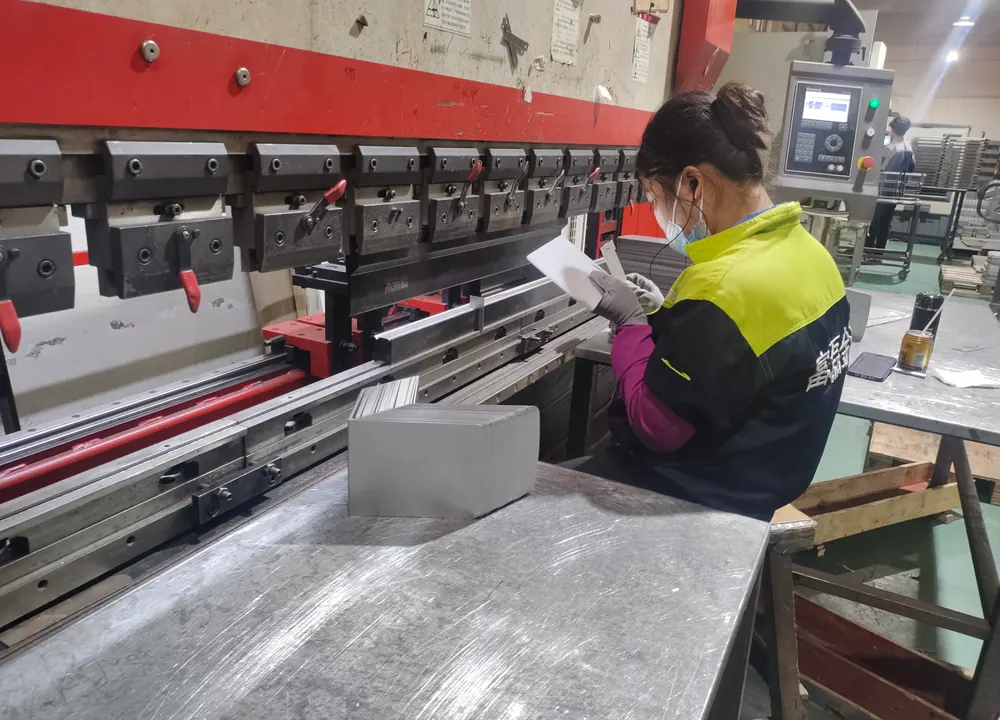
Inside radius, flange length, tool access, springback and accumulated bend error affect whether doors, panels and brackets fit in the final assembly. Critical angles and distances are checked on the first piece before a batch continues.
- Factory evidence
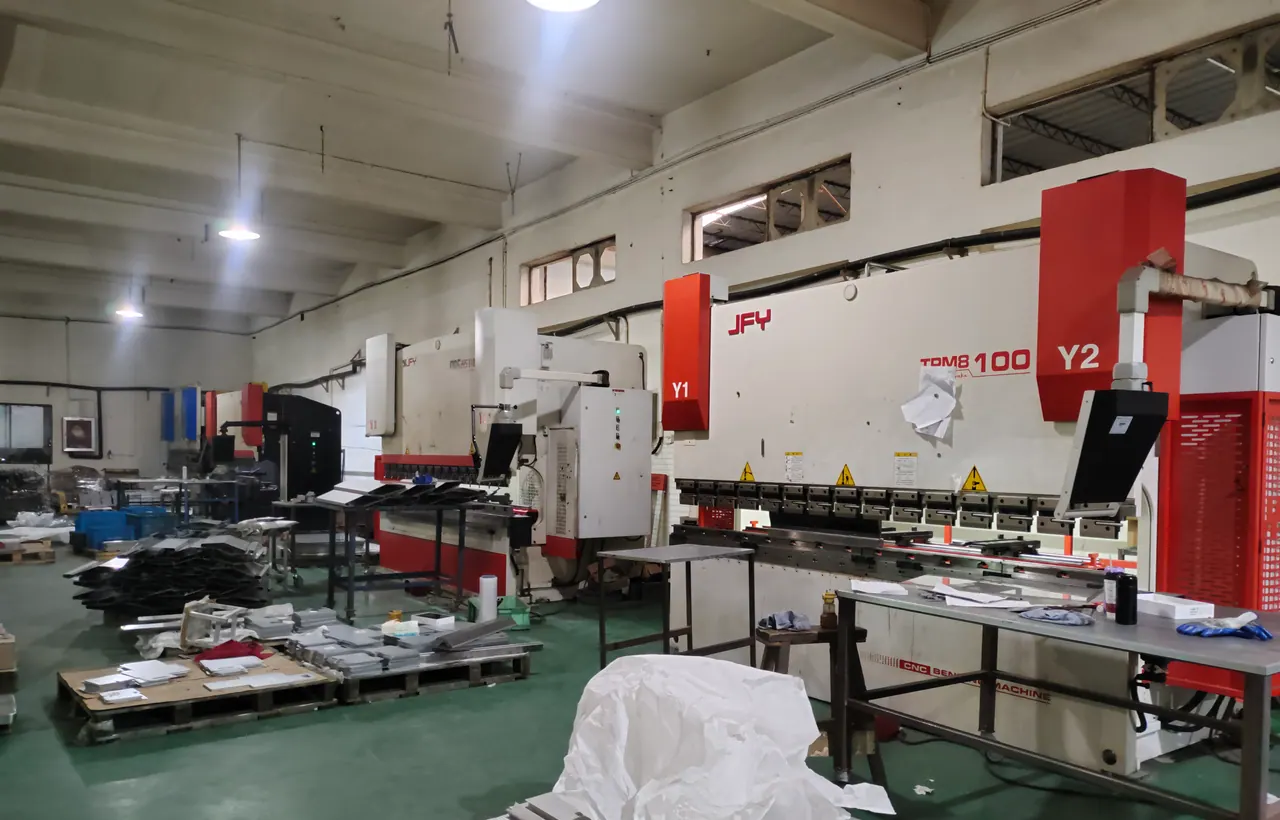
- 4 CNC press brakes
- Buyer inputs
- Finished dimensions, datums, material and cosmetic surfaces
- Release check
- Angles, flange distances and mating geometry
04 / Welding
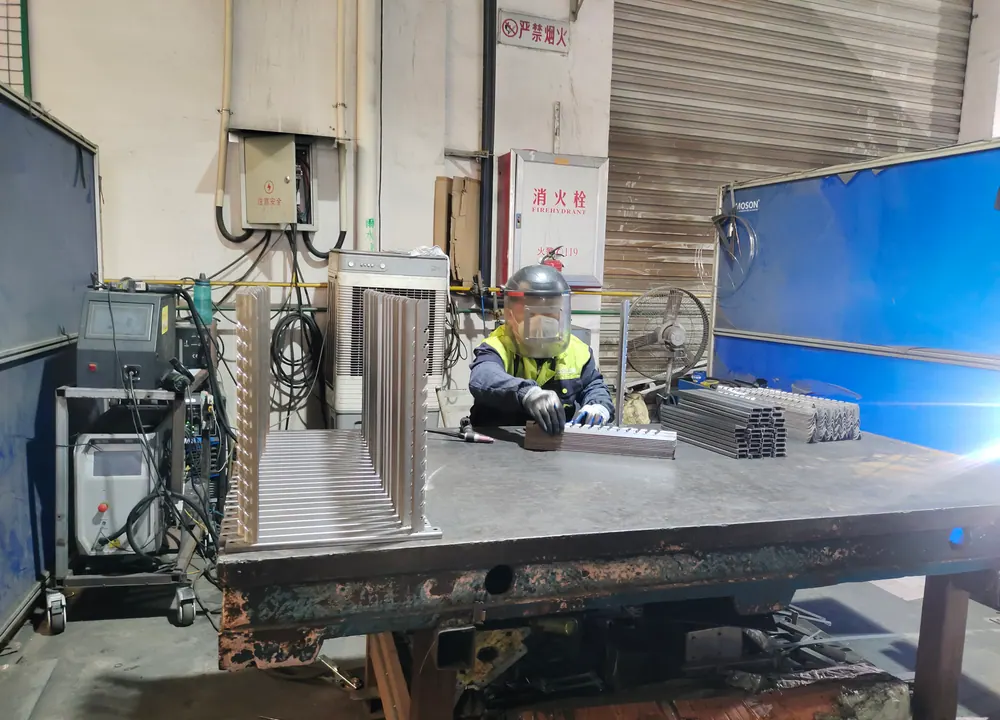
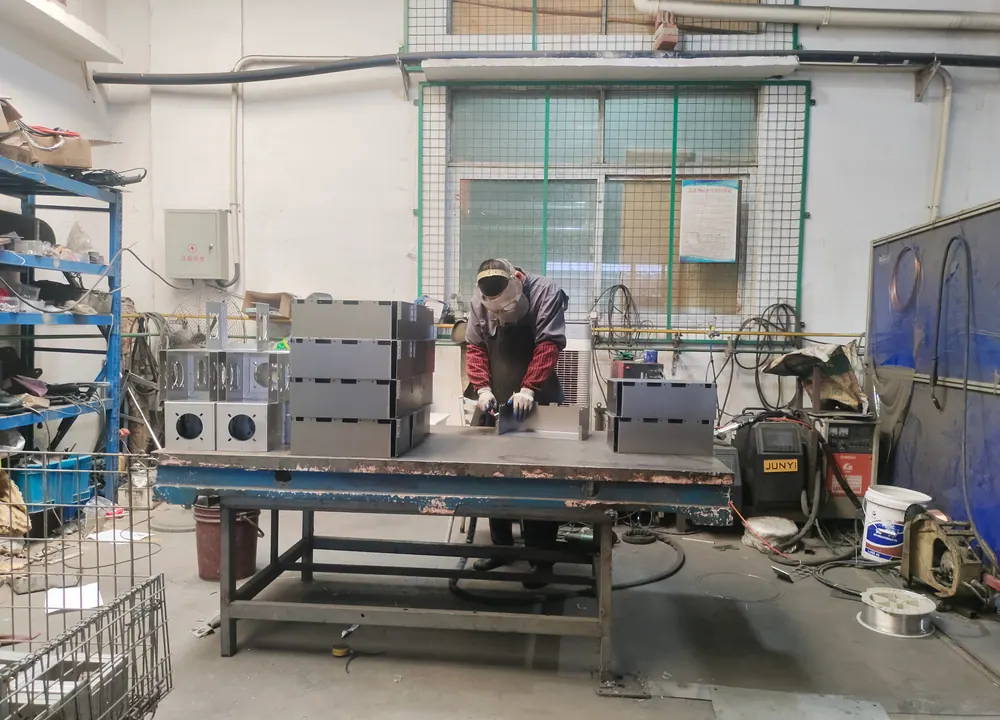
Fixtures and Sequence Control Heat and Distortion
Weld access, joint fit-up, tack order, heat input and dressing requirements are confirmed before joining. The acceptance plan should define both the weld condition and the geometry that must remain correct after welding.
- Factory evidence
- 10 welding stations for project-specific TIG, MIG or laser routes
- Buyer inputs
- Weld locations, visible faces, squareness and grinding expectations
- Release check
- Joint continuity, appearance and drawing-defined assembly geometry
Volume route
Stamping and Progressive Die: Where Batch Consistency Comes From
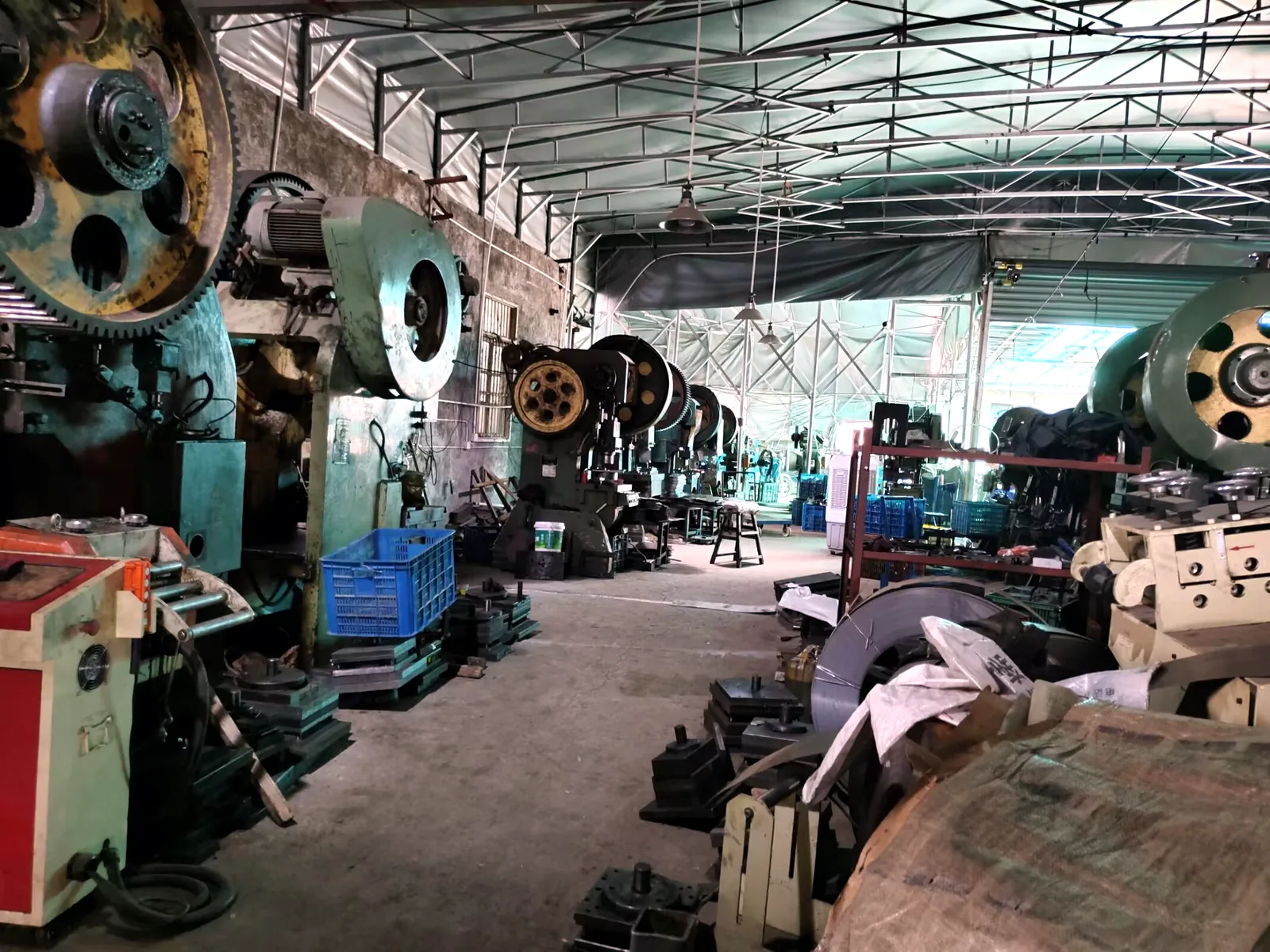
Laser cutting creates geometry from a file; a progressive die creates it from steel. Once a die is proven, the die itself holds the tolerance — output is fast, repeatable and largely independent of operator skill. That is the route we recommend once the volume justifies the tooling and the drawing has stopped moving.
| Stamping capability | Specification |
|---|---|
| Processes | Progressive die stamping, piercing, blanking, forming, tapping and riveting |
| Materials | SPCC, SUS304 stainless steel and copper |
| Thickness range | 0.3 mm to 3.0 mm |
| Typical tolerance | ±0.05 mm, confirmed against the drawing |
| Minimum order quantity | 500 pcs |
| Tooling sample lead time | Quoted after drawing review and process confirmation |
| Secondary operations | Deburring or tumbling, shaving for tight edges, tapping and PEM hardware |
| Die ownership | Customer-owned; stored and maintained by us for repeat orders |
When tooling pays off
The decision is arithmetic, not opinion: divide the die cost by the saving per piece and you get the break-even quantity. Below that number, laser cutting is cheaper; above it, stamping usually wins by a wide margin.
When it does not
If the drawing is still changing, a die locks you into geometry you may abandon. We will quote the laser route first and revisit tooling once the design is frozen — a die is a commitment, not a shortcut.
What the die does to the edge
A stamped edge is sheared, not melted: rollover, burnish, fracture and a burr on the breakout side. Parts that seal or slide usually need a deburring or shaving station, and that belongs in the quote from the start.
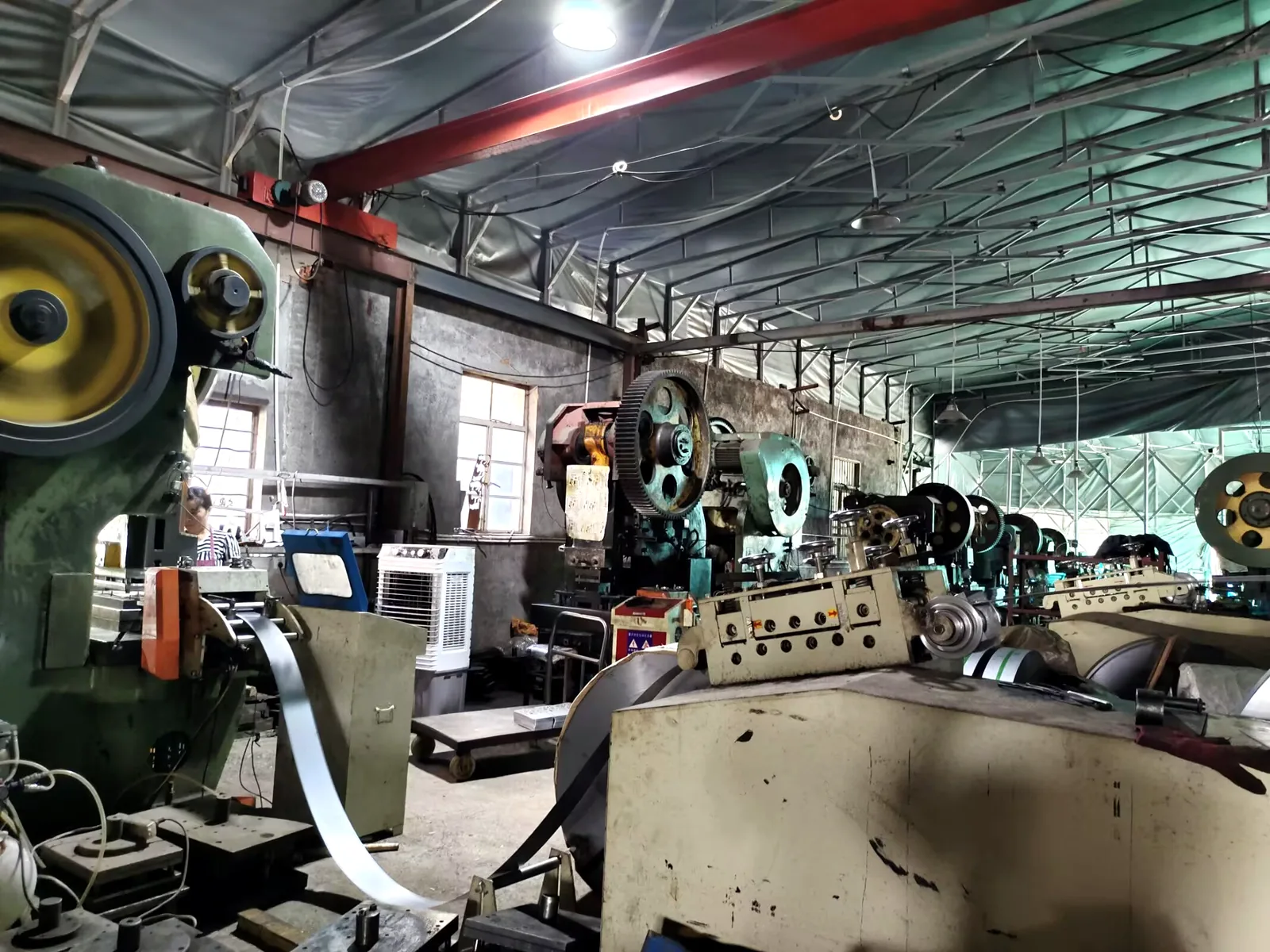
Because both cutting routes and forming sit in one plant, the common path is available: prototype and validate on laser-cut parts, then move to a die once annual volume justifies it, without re-learning the part at a new supplier. Sheet metal bending service covers the formed parts that follow.
Finishing and assembly
A Finished Cabinet Is More Than a Painted Shell
The finish, installed hardware, moving parts and packing method are reviewed as one system because they affect grounding, sealing, appearance and service access.
Hardware Installation
PEM fasteners, studs, hinges, locks and grounding points are installed or masked according to the drawing and BOM.
Surface Treatment
Substrate, pretreatment, colour, texture, cosmetic zones and conductive interfaces are defined by project.
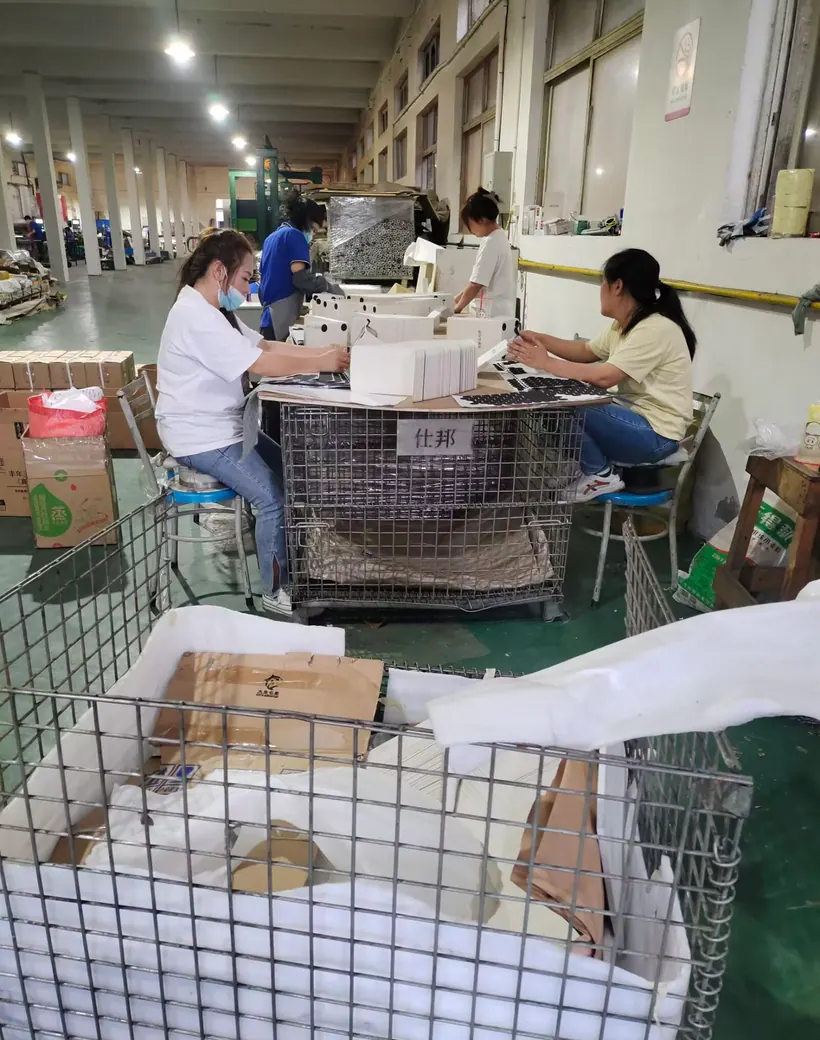
Assembly
Doors, panels, wheels, handles and customer-specified components are checked for alignment and function.
08 / Quality control
Inspection Is Placed Where Manufacturing Risk Occurs
Final inspection cannot recover a wrong bend or distorted weld. Checks are assigned after the operations that create each risk, with the drawing revision and approved sample as the basis.
Critical dimensions and interfaces are checked before batch release.
Forming, weld geometry, hardware and finish are checked before defects become hidden.
Door movement, accessory count, alignment and appearance are reviewed.
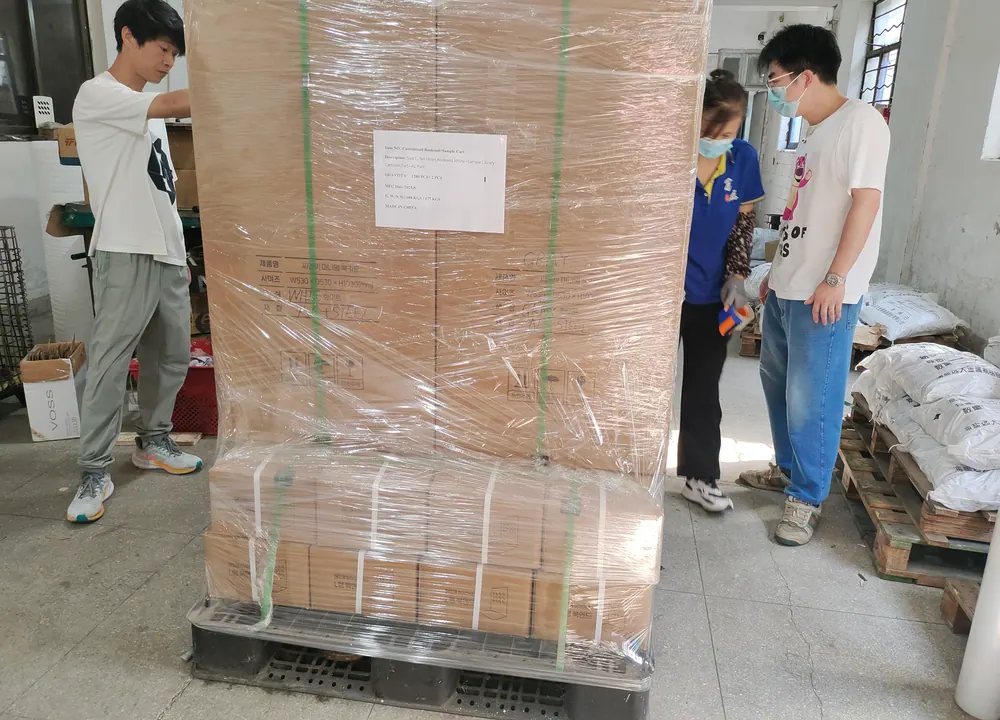
Protection, labels, quantity and agreed photo evidence are confirmed.
Materials and delivery
Define the Substrate, Finish and Shipping Context Together
Final grade, thickness, finish and acceptance requirements are confirmed against the customer drawing. Generic website ranges do not replace the written quotation.
Carbon and galvanized steel
Used when structure, coating system, corrosion context and cost need to be balanced.
Stainless steel
Grade, grain direction, visible finish and weld-cleaning scope must be stated.
Aluminum
Alloy, temper, cosmetic side, forming route and downstream finish affect manufacturability.
- 01Drawing and DFM
- 02Sample or first article
- 03Approved revision
- 04Batch production
- 05Inspection evidence
- 06Export protection
RFQ starting point
Send the Files That Define the Complete Manufacturing Route
Include drawings, quantity, annual demand, material, thickness, finish, critical tolerances, hardware, assembly scope, inspection evidence and packaging destination.
Payment Terms
How a project is paid for is agreed before production starts, and the structure that applies to your order is stated on the quotation and on the order confirmation, so there is no ambiguity later.
- 30% advance payment with the order and the 70% balance before shipment — our standard structure.
- 70% advance payment with the order and the 30% balance before shipment — used for some projects.
- 100% payment in advance before production starts — used for some projects.
If your finance team works to a fixed structure, say so in the first enquiry and we will confirm what applies to your order before you commit. Request a quotation.
Questions buyers ask before sending drawings
The nine questions that come up most often before a project starts, answered the way we answer them by email.
What do you need from me to quote a part?
2D drawings as PDF, DWG or DXF, or 3D files as STEP, IGES or SolidWorks, together with material grade, sheet thickness, surface finish, quantity and destination country. If the drawing is not finished yet, send a photo, a sketch or the existing part instead — we review what can be measured from it and reply with the questions that still need answering.
How long does a quotation take?
Enquiries are answered within one business day. Quotation time depends on the part. Simple components we can price straight from the drawing — laser-cut and bent sheet metal, brackets, panels, covers, machine guards — are quoted within 24 hours. Complex work such as assembled kiosks, welded frames and multi-part structures is quoted after the drawing review and process confirmation, because the scope cannot be judged from the drawing alone; the date is confirmed in our reply.
Is there a minimum order quantity?
Prototypes are made from a single piece, and small batches of 10–50 pieces are routine. Prototype, first batch and repeat volume are quoted in one staged quotation so the numbers stay consistent as the project scales. See low MOQ sheet metal fabrication.
Can you work from a sample or a photo if I have no drawing?
Yes. Send the part itself, clear photographs with a rule or caliper in frame, or a dimensioned sketch. We measure what can be measured, list the features that are still undefined, and confirm them with you before production rather than assuming them.
Will you sign an NDA before I send drawings?
Yes. If your process requires one, say so in the first message and we will confirm what we can sign before any file is transmitted. Customer drawings are treated as confidential and used only for the project they were sent for. See our NDA page.
What payment and trade terms do you work with?
The standard structure is 30% advance payment with the order and the 70% balance before shipment. Some projects run on 70% advance payment with the 30% balance before shipment, and some on 100% payment in advance before production. Quotations are issued under EXW, FOB Ningbo, CIF or DDP, whichever your logistics team already works with.
What quality documents come with the parts?
Inspection documents are agreed with the order. Reports are provided on request, and material certificates and traceability can be supplied for the grades we purchase. Tell us in the enquiry which documents your own quality system requires, and we will confirm what we can provide before you order rather than after.
Who will handle my project?
One contact from drawing review through to shipment. Violet, our sales manager, coordinates drawings, DFM questions, quotation, samples, production updates and shipping documents, so you are not handed to a different person between quotation and delivery.
Can you scale from prototype to repeat production?
Yes. Prototype quantity and expected annual volume are quoted together, so tooling, nesting and packaging are planned once and the sample and production prices stay consistent. See prototype to production quotation and sheet metal DFM engineering review.
Trade Terms and Delivery
We quote under the standard Incoterms your logistics team already works with, and build the packing and documentation around the one you choose.
- EXW — you collect from our Ningbo facility and run export clearance through your own forwarder.
- FOB Ningbo — we deliver to the vessel at Ningbo port and handle export clearance.
- CIF — we cover carriage and insurance to your named destination port.
- DDP — we handle carriage, insurance, import clearance and duties through to your door.
Send your destination country, target delivery date and preferred trade term together with the drawing. Request a quotation.
Quotation Time
We quote from your drawings. How long that takes depends on what the part asks for:
- Simple parts — quoted within 24 hours. Laser-cut blanks and bent components, supplied with complete 2D or 3D drawings. Mon–Fri, GMT+8.
- Complex assemblies — quoted after the drawing review. Payment kiosks, multi-part welded frames, enclosures with purchased hardware, or anything needing a coating or assembly trial. We confirm a quotation date once the scope is clear.
Production lead time is quoted separately, after drawing review and process confirmation. Send your drawings.