
09 / Delivery protection
Export Packaging for Metal Enclosures
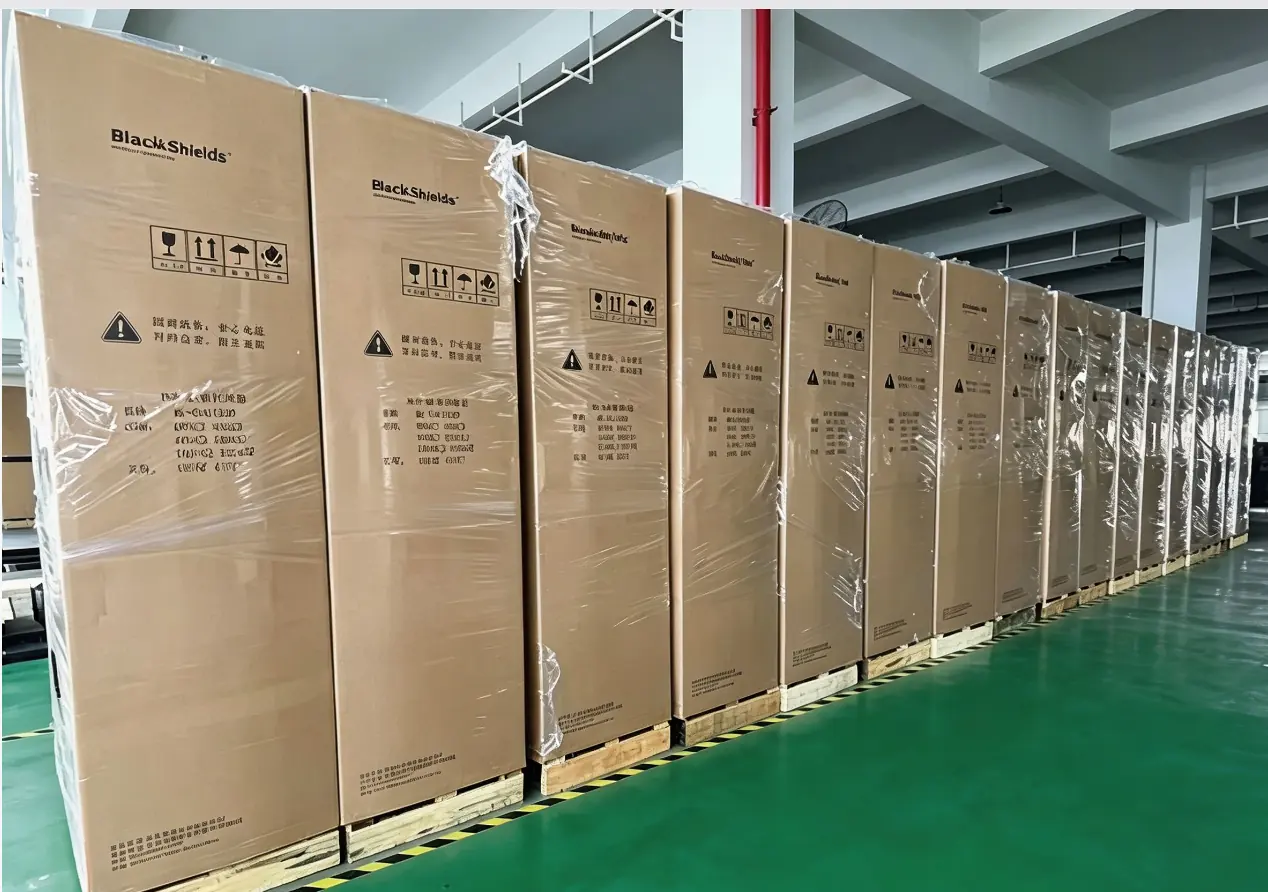
Packaging is planned around cabinet size, weight, finish, protruding hardware, loose accessories, pallet limits, moisture exposure and destination handling.
Scope
What This Capability Covers
The objective is to deliver the approved geometry and appearance, not merely place the product in a carton. Large cabinets, powder-coated surfaces, stainless steel panels and accessory kits create different risks. The final method is confirmed from product construction and the buyer's transport requirements.
Real production video
See This Capability on Our Shop Floor
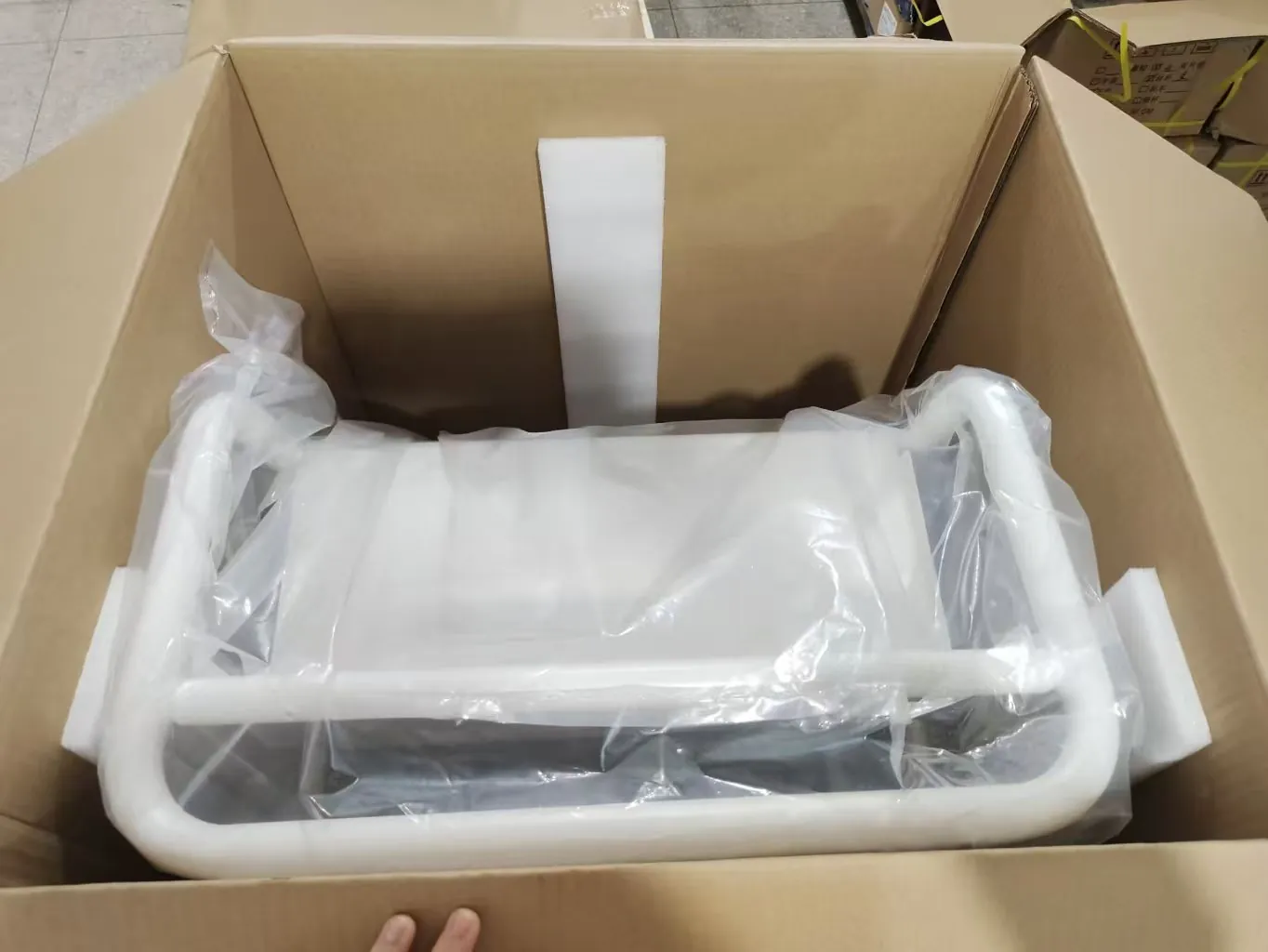
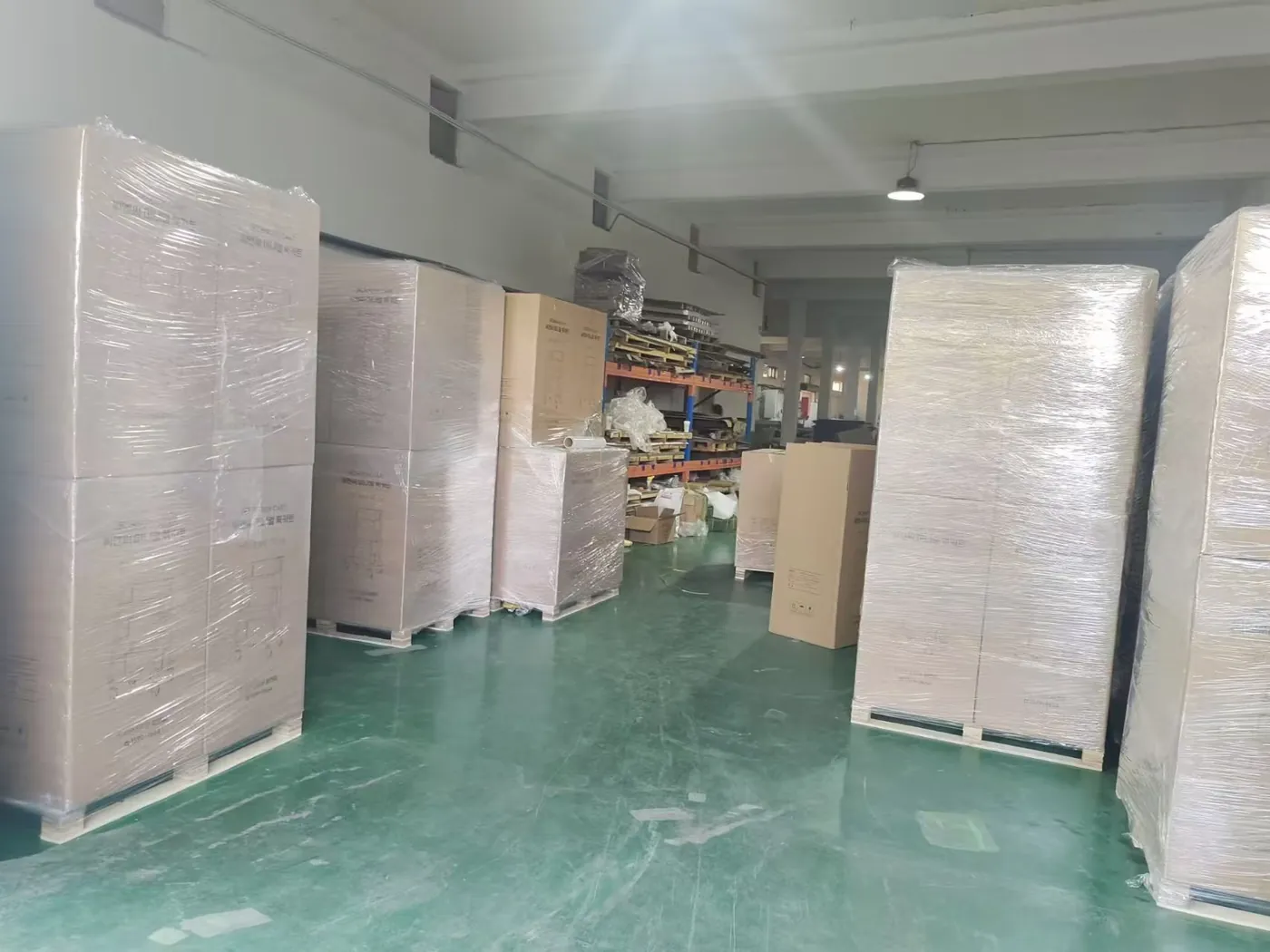
These short clips show actual work at Fulei Metal. They support the process explanation; the controlled drawing and written quotation still define the final route.
Protection plan
From the Production Floor to the Container
Packing is decided with the order, not after it: the protection a part needs follows from its finish, its weight and how long it will spend in transit.
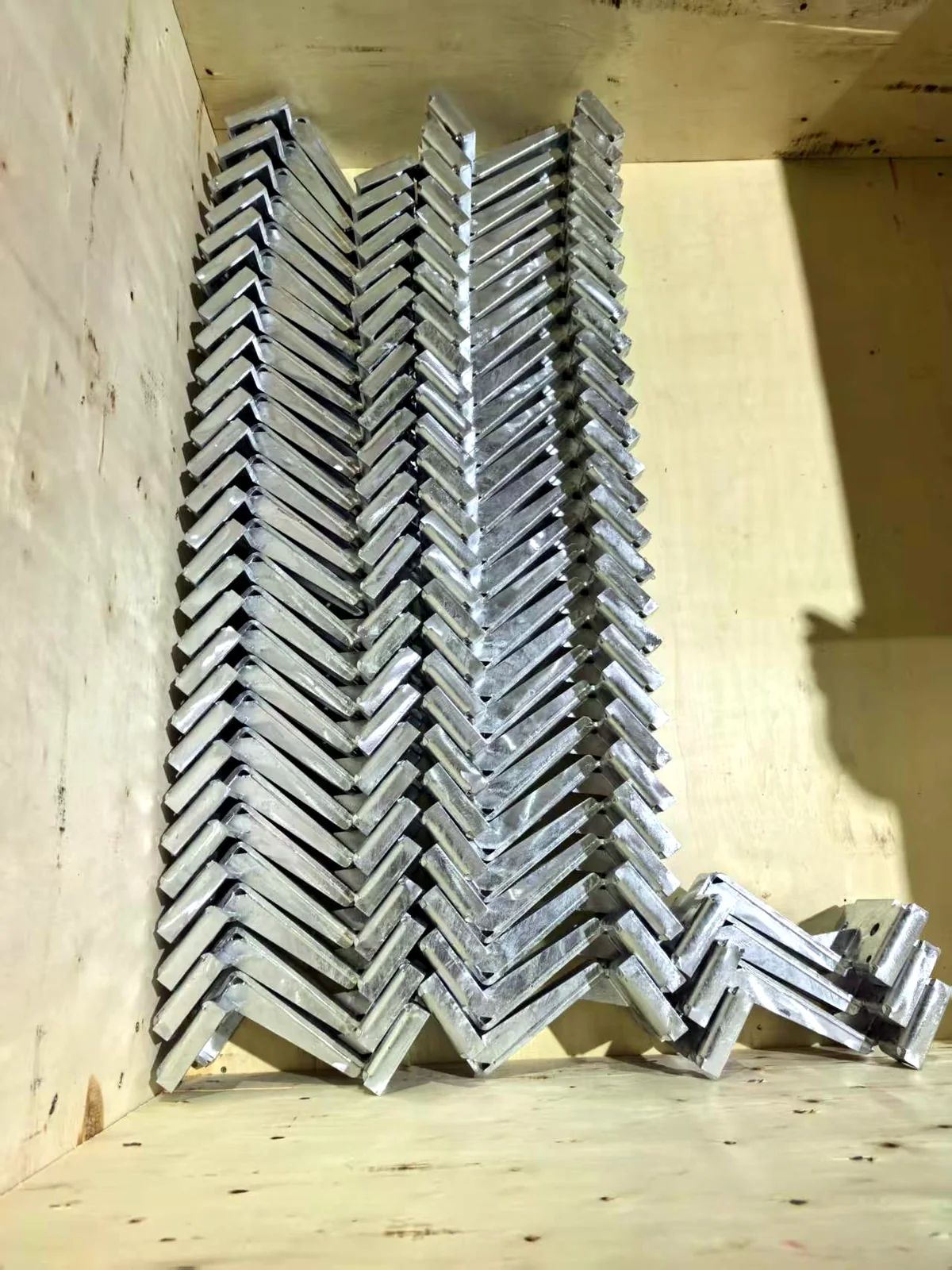
This is a typical heavy-part shipment: unpainted galvanised brackets nested in one orientation inside a plywood case. The protection a shipment needs follows from three things — the finish on the part, the weight of the unit, and how long it will sit in a container before it is opened.
| Carton with foam or moulded protection | Small and medium enclosures travelling by air or courier. Protects door faces, edges and any protruding hardware from handling damage. |
|---|---|
| Palletised cartons | Standard enclosures shipped LCL or FCL. Keeps a shipment together and lets the pallet be moved by forklift without touching individual units. |
| Plywood case | Heavy units and bare metal parts on long sea routes. Carries the stacking load and closes the shipment against handling and pilferage. |
| Interleaved stacking | Uncoated or galvanised parts stacked face to face would rub in transit. Where a face is coated or polished, the layers are separated with an interleaf and kept in one orientation so movement inside the case does not turn into rubbing. |
| Desiccant and VCI | Long transit and humid destinations. Condensate inside a container is what causes white rust on zinc coatings before the parts are ever unpacked. |
| Film, paper and edge protection | Powder-coated, brushed or polished faces. Film is applied after the coating has cured and stays on until the customer unpacks. |
Every case or pallet leaves with a packing list matched to the purchase order: part number, description, quantity per pack, number of packs, gross and net weight, and the shipping marks agreed with you. Where a goods-in team needs a different layout — one part number per carton, a barcode or QR label, photos of the loaded pallet before the container closes — that is agreed when the packing specification is set, not when the truck is waiting.
Packing is settled early because it changes carton sizes, the pallet plan and the cost, and because film, desiccant and case material have to be ordered together with the parts. A 30-day sea leg to a humid port is a different problem from a two-day road delivery, and the answer is written into the quotation so it does not depend on who is packing that week.
How these choices are documented is covered in the export packaging guide, under rust-proof packaging for export shipping and in the packaging standards reference.
Specifications
Export Packaging Specifications and Capabilities
| Packaging options | Carton with foam or molded protection, palletised packs, plywood cases for heavy units |
|---|---|
| Surface protection | Protective film or paper on coated faces, edge and corner protection |
| Moisture control | Desiccant and VCI options for long sea transit |
| Unit segregation | Parts separated and stacked to prevent abrasion and door or panel damage |
| Loading | Pallet and container loading planned to the unit size and weight |
| Labelling | Shipping marks, part numbers and quantity labels to your instruction |
| Documentation | Packing list matched to the shipment quantity and part numbers |
| Minimum order quantity | 10 pcs (large parts) / 50 pcs (medium parts) / 1,000 pcs (small parts) |
Manufacturing route
How the Work Is Controlled
- 01
Complete pre-packing inspection and accessory count
- 02
Protect surfaces, openings and protruding hardware
- 03
Apply separators, bags, cartons or project-specific protection
- 04
Secure cartons or cabinets to the pallet as required
- 05
Photograph agreed packing evidence before dispatch
Engineering checkpoints
Where OEM Projects Usually Need Clear Decisions
These points are reviewed against the real part and the buyer’s acceptance requirements.
Surface abrasion
Finished panels need separation so vibration does not turn adjacent parts into abrasive contact points.
Corner and door damage
Weight must be carried through a stable structure rather than locks, handles or unsupported panels.
Moisture exposure
Route, storage duration and material condition determine whether added moisture or corrosion protection is required.
Receiving efficiency
Labels, accessory kits and packing lists should help the buyer verify and install the shipment.
Buyer input
What to Include in Your RFQ
Clear project information allows engineering questions, price and timing to be based on the same scope.
- Destination and transport mode
- Carton, pallet, stacking or warehouse limits
- Cosmetic surfaces and corrosion concerns
- Accessory and labelling requirements
- Packaging approval photos or samples
FAQ
Questions Buyers Ask Before Ordering
Drawings Needed to Quote Export Packaging Metal Enclosures
2D drawings (PDF, DWG or DXF) and 3D models (STEP, IGES or SolidWorks) both help. Please include material grade and thickness, surface finish, quantity, and any critical dimensions or inspection requirements. Where a feature is not specified on the drawing, we raise it in the DFM review instead of assuming a value.
Sampling Export Packaging Metal Enclosures Before Volume
Yes. Prototypes and repeat batches run on the same equipment, so the first article reflects real production conditions. Minimum order quantities are 10 pieces for large parts, 50 for medium parts and 1,000 for small parts, and prototypes are accepted below those levels.
Materials and Finishes for Export Packaging Metal Enclosures
SPCC, SECC, Q235, SUS304 stainless steel, aluminium and galvanised steel, generally from 0.5 mm to 6.0 mm. Finishes include powder coating, zinc plating, galvanising and passivation. We work in sheet metal and CNC processes — castings are outside our scope.
Inspection Documents for Export Packaging Metal Enclosures
Dimensional reports taken against your drawing, together with first-article, in-process and outgoing inspection records. Calipers, height gauges and gauges are used for critical dimensions, and coating thickness or salt-spray checks are added where the drawing calls for them.
How are powder coated surfaces protected in transit?
Coated faces are covered with protective film or paper and each unit is separated so painted surfaces do not rub against each other. Edge and corner protection is added to doors and panels, which are the areas damaged first in sea freight.
Can the packaging meet our own receiving requirements?
Yes. Send your packing specification, shipping marks and label format, and we will build the pack to match so that goods can be received and stored without rework at your end.
How do you stop bare parts rubbing against each other?
Parts are stacked in one orientation with a separator — cardboard, foam or a paper interleaf — between layers, and the stack is sized to the case so it cannot shift. Heavy parts and parts with a coated face are separated layer by layer rather than bulk stacked.
What decides whether a wooden case is needed?
Weight, the sensitivity of the finish and the route. Parts that will be stacked inside a container, units too heavy to handle by hand, and shipments with large coated faces go into a case or a crated pallet; lighter units travel in cartons or on a palletised pack.
Send your drawings to our engineering team and we will return a DFM review together with the quotation. Request a quote, or see the full range on custom sheet metal fabrication.
Discuss a real project
Let the Drawing Define the Process and Acceptance Plan
Send the controlled files, quantities and application context. We will identify missing information and prepare a practical basis for quotation.
Payment Terms
How a project is paid for is agreed before production starts, and the structure that applies to your order is stated on the quotation and on the order confirmation, so there is no ambiguity later.
- 30% advance payment with the order and the 70% balance before shipment — our standard structure.
- 70% advance payment with the order and the 30% balance before shipment — used for some projects.
- 100% payment in advance before production starts — used for some projects.
If your finance team works to a fixed structure, say so in the first enquiry and we will confirm what applies to your order before you commit. Request a quotation.
Questions buyers ask before sending drawings
The nine questions that come up most often before a project starts, answered the way we answer them by email.
What do you need from me to quote a part?
2D drawings as PDF, DWG or DXF, or 3D files as STEP, IGES or SolidWorks, together with material grade, sheet thickness, surface finish, quantity and destination country. If the drawing is not finished yet, send a photo, a sketch or the existing part instead — we review what can be measured from it and reply with the questions that still need answering.
How long does a quotation take?
Enquiries are answered within one business day. Quotation time depends on the part. Simple components we can price straight from the drawing — laser-cut and bent sheet metal, brackets, panels, covers, machine guards — are quoted within 24 hours. Complex work such as assembled kiosks, welded frames and multi-part structures is quoted after the drawing review and process confirmation, because the scope cannot be judged from the drawing alone; the date is confirmed in our reply.
Is there a minimum order quantity?
Prototypes are made from a single piece, and small batches of 10–50 pieces are routine. Prototype, first batch and repeat volume are quoted in one staged quotation so the numbers stay consistent as the project scales. See low MOQ sheet metal fabrication.
Can you work from a sample or a photo if I have no drawing?
Yes. Send the part itself, clear photographs with a rule or caliper in frame, or a dimensioned sketch. We measure what can be measured, list the features that are still undefined, and confirm them with you before production rather than assuming them.
Will you sign an NDA before I send drawings?
Yes. If your process requires one, say so in the first message and we will confirm what we can sign before any file is transmitted. Customer drawings are treated as confidential and used only for the project they were sent for. See our NDA page.
What payment and trade terms do you work with?
The standard structure is 30% advance payment with the order and the 70% balance before shipment. Some projects run on 70% advance payment with the 30% balance before shipment, and some on 100% payment in advance before production. Quotations are issued under EXW, FOB Ningbo, CIF or DDP, whichever your logistics team already works with.
What quality documents come with the parts?
Inspection documents are agreed with the order. Reports are provided on request, and material certificates and traceability can be supplied for the grades we purchase. Tell us in the enquiry which documents your own quality system requires, and we will confirm what we can provide before you order rather than after.
Who will handle my project?
One contact from drawing review through to shipment. Violet, our sales manager, coordinates drawings, DFM questions, quotation, samples, production updates and shipping documents, so you are not handed to a different person between quotation and delivery.
Can you scale from prototype to repeat production?
Yes. Prototype quantity and expected annual volume are quoted together, so tooling, nesting and packaging are planned once and the sample and production prices stay consistent. See prototype to production quotation and sheet metal DFM engineering review.
Trade Terms and Delivery
We quote under the standard Incoterms your logistics team already works with, and build the packing and documentation around the one you choose.
- EXW — you collect from our Ningbo facility and run export clearance through your own forwarder.
- FOB Ningbo — we deliver to the vessel at Ningbo port and handle export clearance.
- CIF — we cover carriage and insurance to your named destination port.
- DDP — we handle carriage, insurance, import clearance and duties through to your door.
Send your destination country, target delivery date and preferred trade term together with the drawing. Request a quotation.
Quotation Time
We quote from your drawings. How long that takes depends on what the part asks for:
- Simple parts — quoted within 24 hours. Laser-cut blanks and bent components, supplied with complete 2D or 3D drawings. Mon–Fri, GMT+8.
- Complex assemblies — quoted after the drawing review. Payment kiosks, multi-part welded frames, enclosures with purchased hardware, or anything needing a coating or assembly trial. We confirm a quotation date once the scope is clear.
Production lead time is quoted separately, after drawing review and process confirmation. Send your drawings.
Get a quote for this part
Send a drawing, or just the size and quantity. A sales engineer replies within 24 hours, Monday to Friday (China time).