
07 / Assembly
Sheet Metal Enclosure Assembly Service
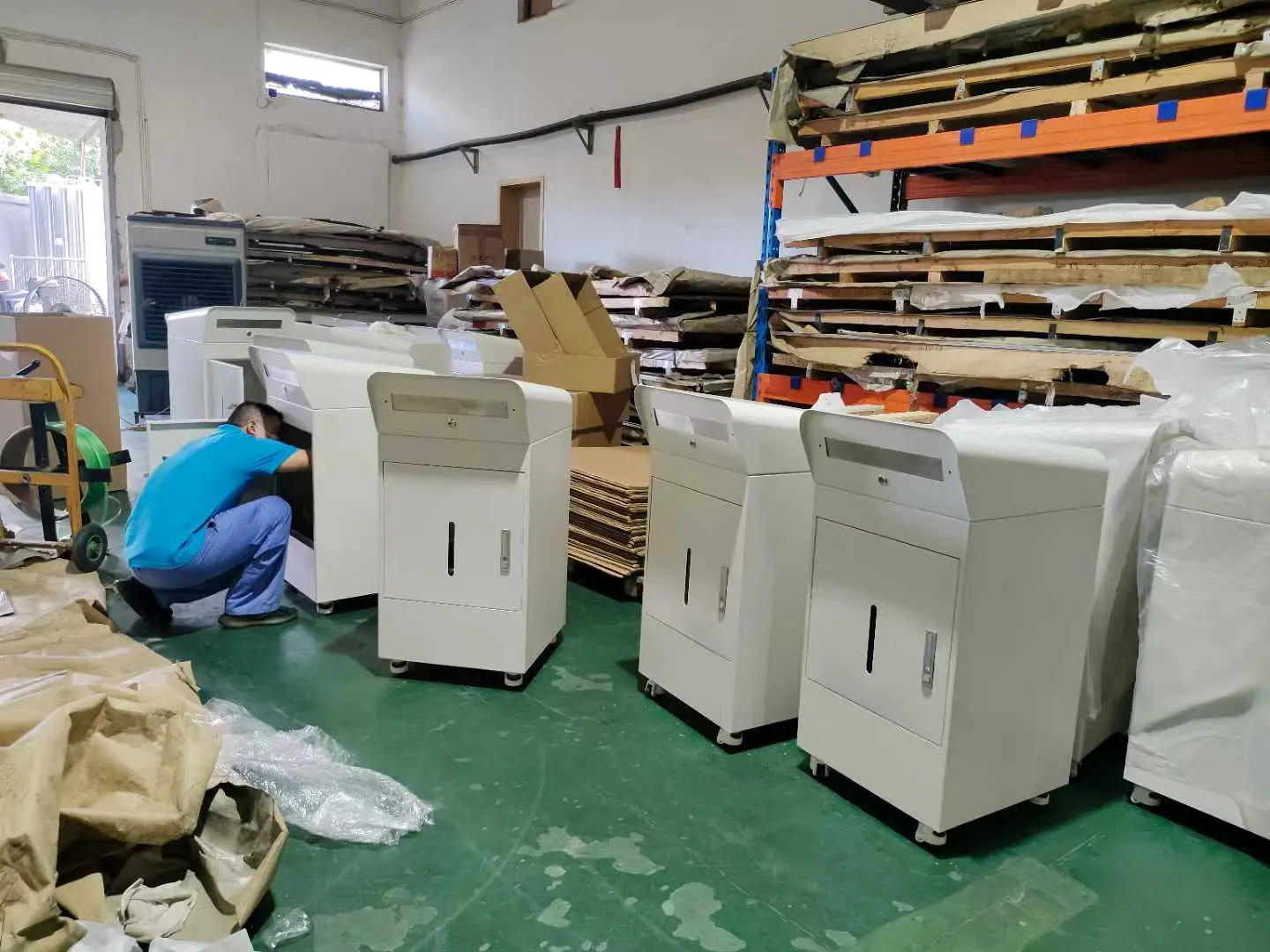
Doors, side panels, plinths, rails, shelves, locks, grounding conductors and buyer-supplied components are assembled from a controlled BOM and work sequence.
Scope
What This Capability Covers
Assembly turns individually acceptable parts into a functional product. Hole alignment, tolerance stack, door movement, gasket compression, hardware orientation and service access are therefore evaluated at the assembly level. The buyer and factory agree which components are supplied, installed and functionally checked.
Real production video
See This Capability on Our Shop Floor
These short clips show actual work at Fulei Metal. They support the process explanation; the controlled drawing and written quotation still define the final route.
Manufacturing route
How the Work Is Controlled
- 01
Receive approved components against the BOM
- 02
Prepare subassemblies and verify mating features
- 03
Install hardware in a controlled sequence
- 04
Check movement, alignment and required functions
- 05
Record accessory count and release to packaging
Engineering checkpoints
Where OEM Projects Usually Need Clear Decisions
These points are reviewed against the real part and the buyer’s acceptance requirements.
BOM control
The assembly record must distinguish approved components from temporary or buyer-supplied items.
Tolerance stack
Rails, doors, panels and bases need common datums so acceptable parts form an acceptable assembly.
Torque and orientation
Project-critical fasteners and directional parts require an explicit work instruction.
Serviceability
Components should remain replaceable and accessible in the buyer's final equipment configuration.
Buyer input
What to Include in Your RFQ
Clear project information allows engineering questions, price and timing to be based on the same scope.
- Assembly drawing and controlled BOM
- Supplier responsibility for each component
- Torque, orientation and functional checks
- Labelling and accessory-pack requirements
- Photos or records needed before shipment
Discuss a real project
Let the Drawing Define the Process and Acceptance Plan
Send the controlled files, quantities and application context. We will identify missing information and prepare a practical basis for quotation.