
Custom Cabinet Export Packing
For custom metal cabinets and sheet metal enclosures, export packaging is not a final afterthought. It is part of the manufacturing plan. A cabinet can pass laser cutting, bending, welding and powder coating, but still disappoint the buyer if the door is scratched, the caster is loose, the carton collapses, or the accessories are mixed during shipment.
At Fulei Metal, we treat packing as the last quality gate for OEM metal cabinet projects. The workshop photos on this page show a real batch of custom return-style metal cabinets being assembled, checked and packed before delivery. The same thinking applies to electrical cabinets, network cabinet enclosures, equipment housings, machine covers, control boxes and other custom sheet metal assemblies.
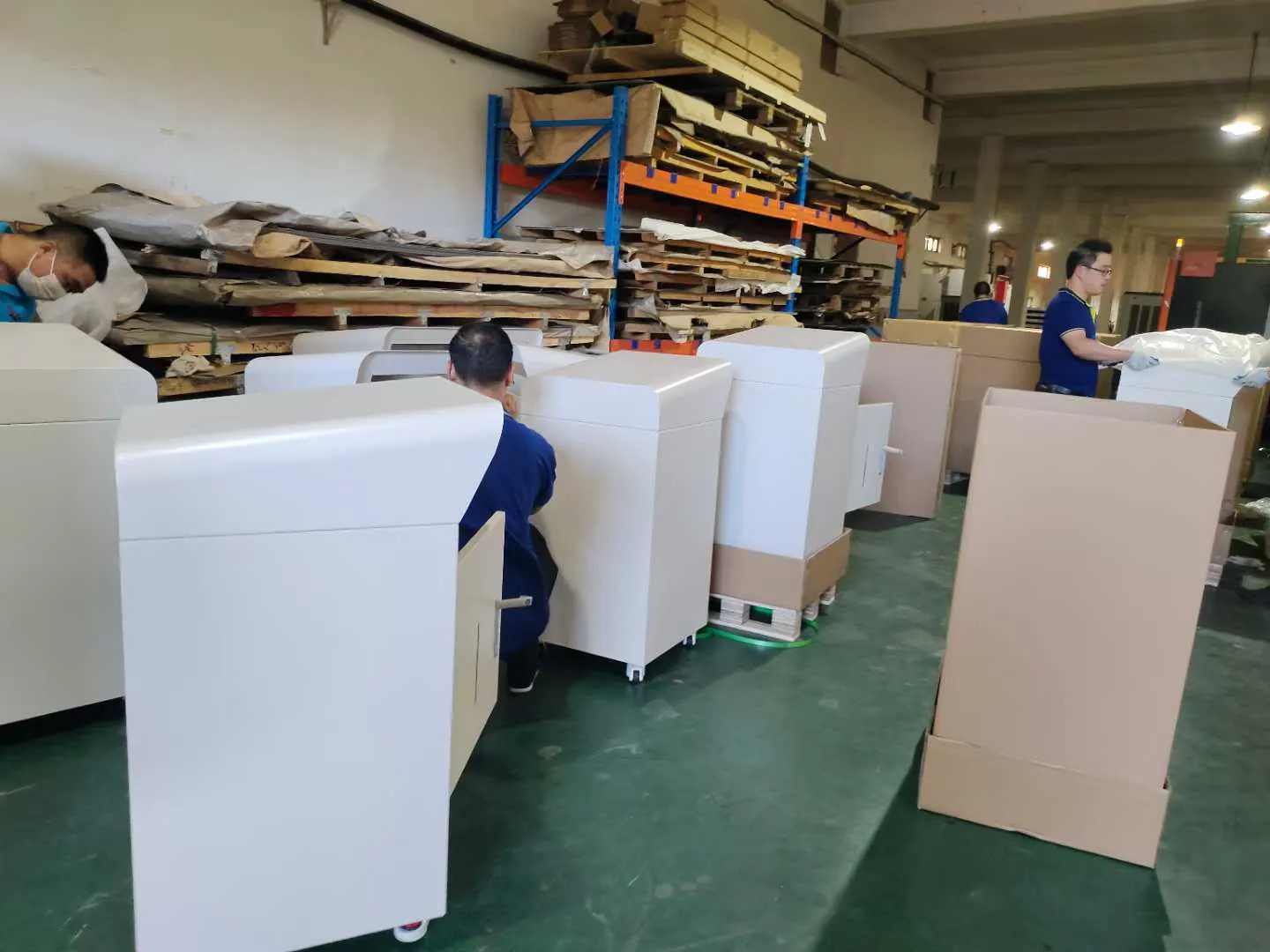
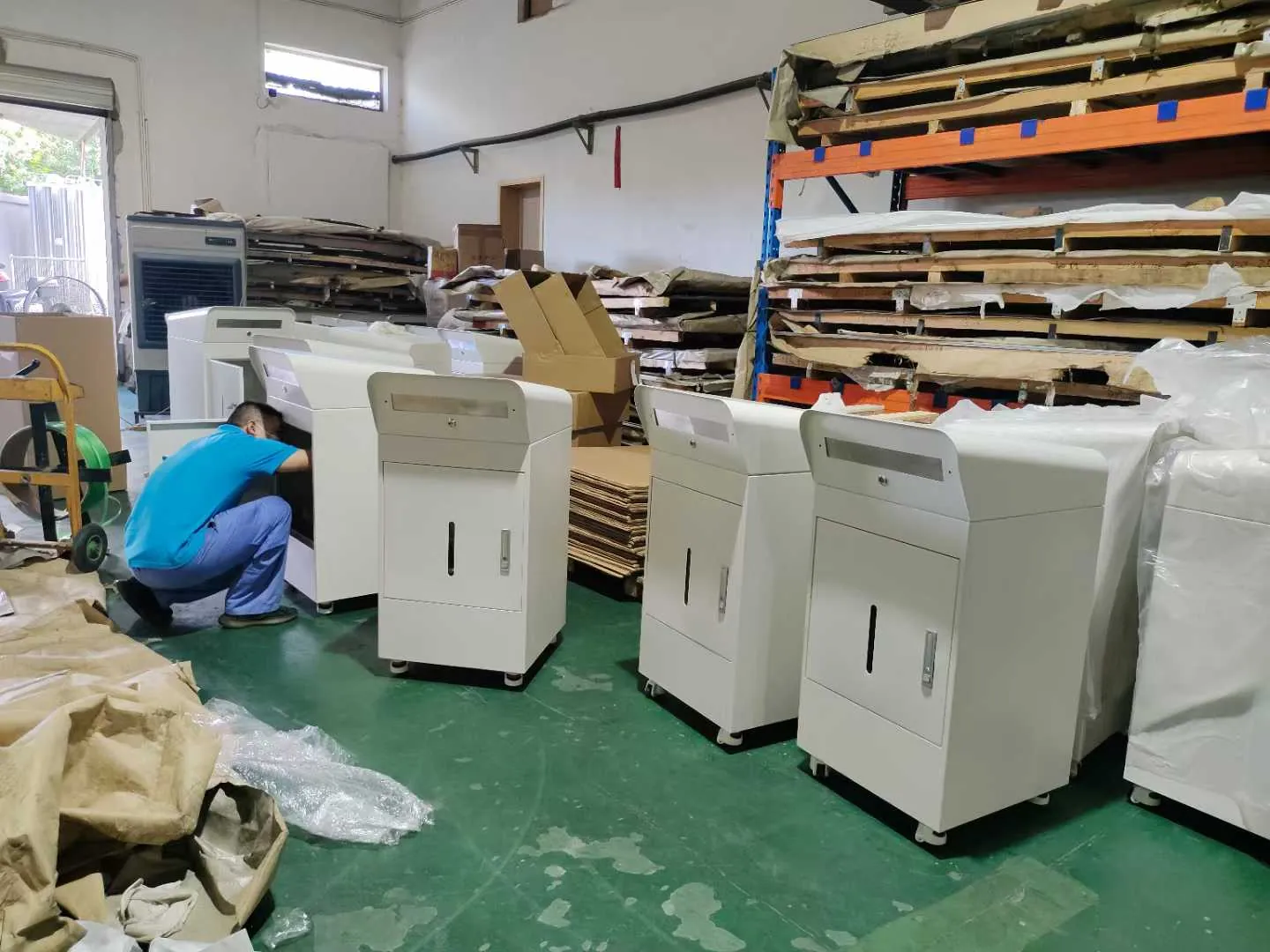
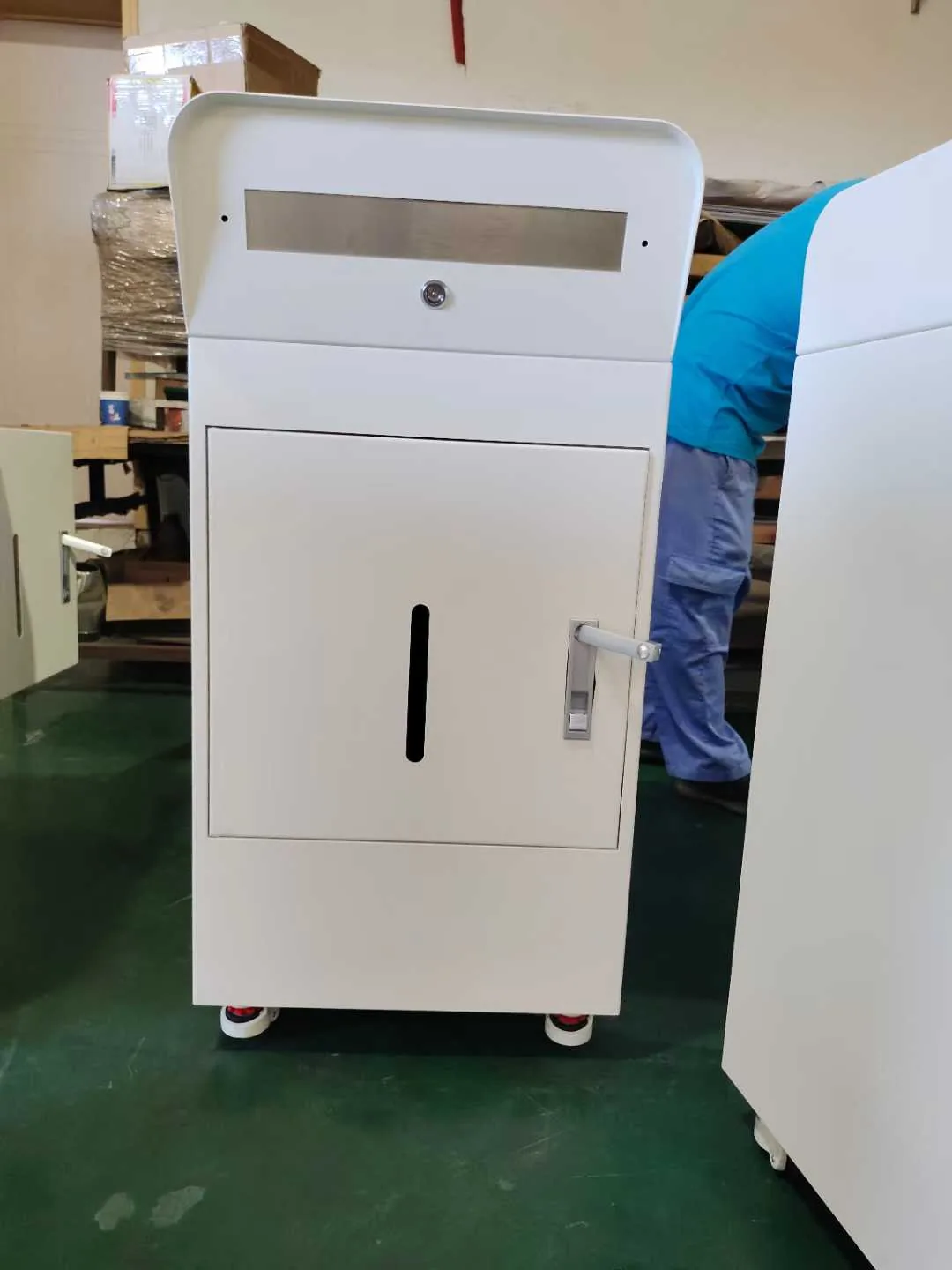
Why Packaging Must Be Planned Before Production Finishes
Many overseas buyers focus on drawings, material, coating color and unit price during the early RFQ stage. Those details are important, but large cabinet projects also need a packing plan. A welded or assembled cabinet is different from a flat sheet metal part. It may include doors, locks, handles, hinges, acrylic windows, caster feet, internal brackets, cable entries, removable panels or customer labels. Each of these details can become a shipment risk if the packaging is not matched to the product structure.
For medium and higher-end buyers, the packaging question is really a repeatability question: can the supplier deliver the same appearance, assembly condition and accessory set batch after batch? A reliable factory should be able to show how finished products are protected, how accessories are controlled, and what is checked before the cartons are closed.
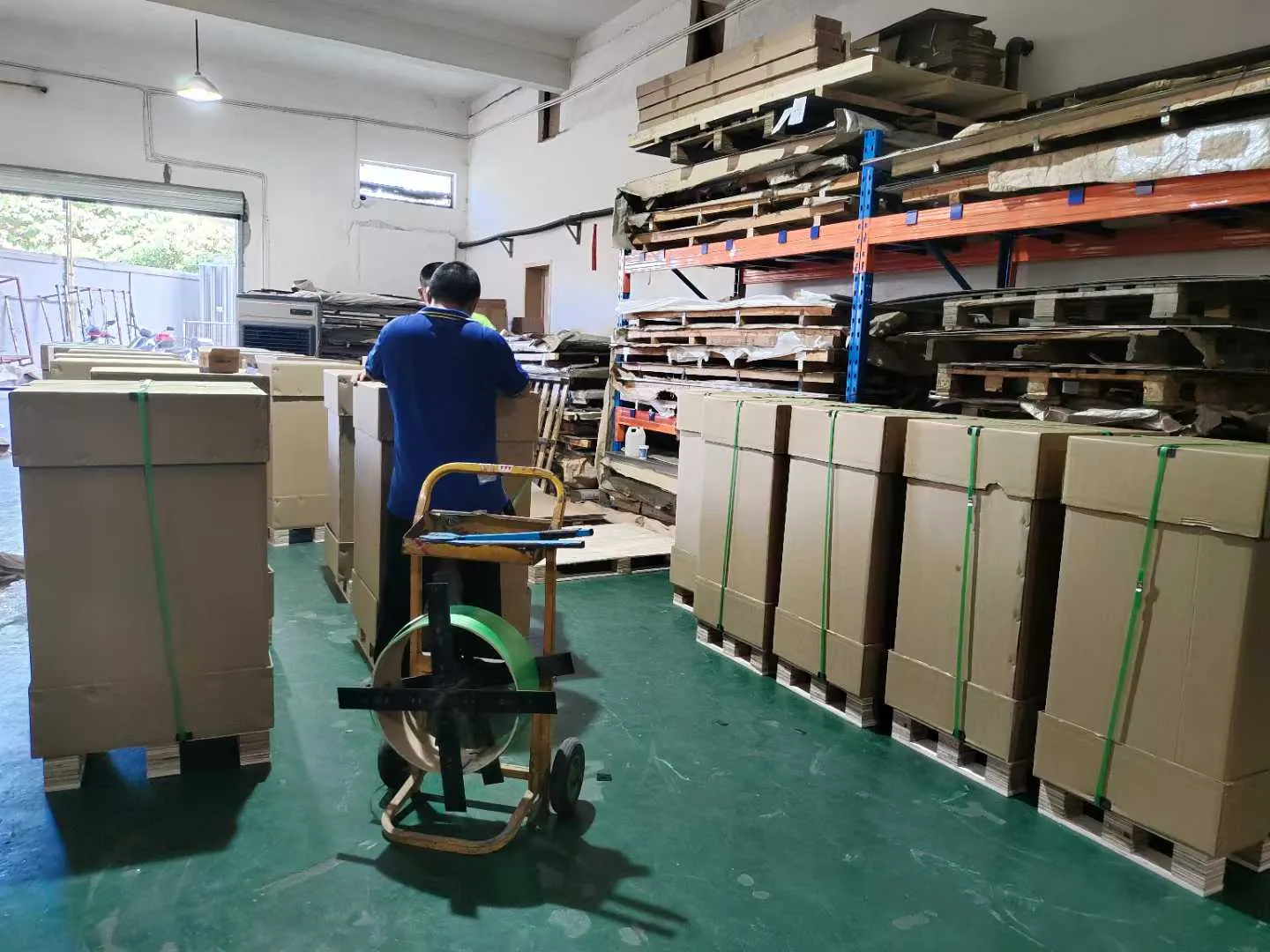
What We Check Before a Cabinet Is Packed
Before packing, our team reviews the product against the approved drawing, sample or order confirmation. The exact checklist changes by project, but cabinet and enclosure work usually focuses on structure, surface, assembly and quantity control.
- Structure: overall dimensions, squareness, door gaps, panel fit and mounting hole positions.
- Surface: coating appearance, visible scratches, exposed edges, color consistency and cleaning before protection.
- Assembly: locks, hinges, handles, caster feet, screws, inserts, labels and removable parts.
- Packing: foam or film protection, carton fit, pallet base, strapping direction, label position and accessory separation.
Our Export Packing Workflow for Custom Metal Cabinets
Final Assembly
Doors, handles, wheels, locks, panels and project-specific hardware are installed according to the approved configuration. If the cabinet needs to be shipped assembled, the packing structure must support the finished shape.
Functional and Fit Check
The team checks practical details that buyers care about after receiving goods: whether the door opens smoothly, whether the lock position matches, whether the cabinet stands correctly, and whether visible surfaces meet expectations.
Surface Protection
Painted or powder-coated surfaces need protection against rubbing inside the carton. Edges, corners, doors and exposed panels are handled carefully because these are the first areas a buyer will notice during unpacking.
Carton and Pallet Packing
Cabinets are placed into cartons or protective wrapping based on size, weight and shipping method. Pallet bases and straps help keep multiple cartons controlled during movement in the warehouse and container.
Label and Photo Records
For repeat orders or multi-model shipments, product labels, carton marks, accessory lists and packing photos help reduce confusion at the buyer’s warehouse.
Packaging Specification Points to Confirm in the RFQ
| Item | What to Confirm | Why It Matters |
|---|---|---|
| Product condition | Fully assembled, semi-assembled or flat-packed | Affects carton size, labor, shipping volume and risk of damage. |
| Surface finish | Powder coating, plating, brushed finish, anodizing or other treatment | Different finishes need different scratch and abrasion protection. |
| Accessories | Locks, hinges, handles, wheels, fasteners, keys, labels or manuals | Small parts should be controlled so the buyer does not receive incomplete goods. |
| Shipment method | Sea freight, air freight, courier, LCL or FCL | Vibration, stacking and handling conditions are different for each method. |
| Carton marking | PO number, item number, model, quantity, barcode or customer logo | Clear labels reduce warehouse sorting problems after arrival. |
| Pallet requirement | Pallet size, fumigation-free option, stacking direction and loading limit | Good pallet planning protects goods and improves container loading. |
| Inspection record | Packing photos, quantity confirmation or buyer-specific checklist | Useful for remote approval before shipment and repeat-order traceability. |
Common Problems Good Packing Should Prevent
For custom cabinets, packaging quality is closely connected with product design. If the door panel is large and flat, it needs protection against dents and rubbing. If the cabinet has wheels, the bottom support must prevent the cabinet from moving inside the carton. If the product has acrylic, glass or display windows, that area should be separated from direct contact pressure. If the shipment includes several similar cabinet models, labels and photos become important for warehouse receiving.
This is why we prefer to discuss packaging at the quotation stage. A buyer may only ask for a unit price, but a responsible supplier should also consider how the cabinet will travel. The goal is simple: the product should arrive in the same condition that left the workshop.
Projects Where This Packing Method Is Useful
What Buyers Should Send for an Accurate Packing Review
To quote a custom metal cabinet properly, please send the same information you would want a factory engineer to review before production: 2D drawings, 3D files if available, material and thickness, finish requirement, quantity, destination country, assembly condition, accessory list and any special packing instructions. Product photos, sample photos or unpacking problems from a previous supplier are also useful.
If your project is still in the design stage, we can review manufacturability and packing risk together. Sometimes small design changes, removable parts or better accessory grouping can reduce cost and lower the chance of damage during shipment.
FAQ: Export Packing for Custom Cabinets and Enclosures
Can you pack custom metal cabinets fully assembled?
Yes, this can be reviewed by product size, structure and shipping method. Fully assembled packing is convenient for the buyer, but it may require stronger protection and a larger carton or pallet plan.
Can you provide packing photos before shipment?
For cabinet and enclosure projects, packing photos can be prepared when requested. They help the buyer confirm quantity, label style, carton condition and pallet arrangement before goods leave the factory.
What drawing files are useful for packaging review?
PDF drawings are useful for dimensions and notes. STEP, IGES or SolidWorks files help review assembly, protruding parts, door structure and areas that may need protection during shipment.
Can the carton or label follow our buyer requirements?
Yes. Please send label artwork, carton mark instructions, barcode rules or retail/warehouse receiving requirements with the RFQ so they can be included in the quotation and production plan.
How do you reduce missing accessory risk?
Accessory lists, separated bags, internal labels, quantity checks and packing photos can be used depending on the order. For repeat orders, we recommend keeping a fixed packing checklist.
Can you help improve an existing cabinet design for safer shipment?
Yes. If you have experienced scratches, dents, loose parts or carton failure with another supplier, send photos and the product drawing. We can review structure, assembly and packing points together.
Send Us Your Cabinet Drawings for Review
Fulei Metal supports custom sheet metal cabinets, enclosures, covers and assemblies for overseas buyers. Send your 2D/3D drawings, quantity, material, finish and packing requirements, and our team will review the manufacturing and export packing details together.
What stands behind this quotation
- Manufacturing since 20162,500 m² Ningbo plant — 3 laser cutting machines (including newer TRUMPF), 4 CNC press brakes and 10 welding stations.
- Shipped to more than 30 export marketsEnclosures, cabinets and formed parts supplied to OEM buyers across Europe, North America and Asia.
- 123 documented product casesMedical device housings, HVAC and heat pump enclosures, agricultural and livestock equipment, industrial hydraulics, material handling trolleys and EV charging cabinets.
- Factory evidence you can checkTUV Rheinland audit reference MIC-ASI243729 and Bureau Veritas reference MIC-ASR263630 available for buyer review under NDA.
Before you send drawings: an NDA is signed on request · first-article inspection is carried out before a batch continues · pricing is staged from prototype quantity to repeat volume · pre-shipment photos and packing records are prepared when the project needs them.