
09 / Delivery protection
Export Packaging for Metal Enclosures
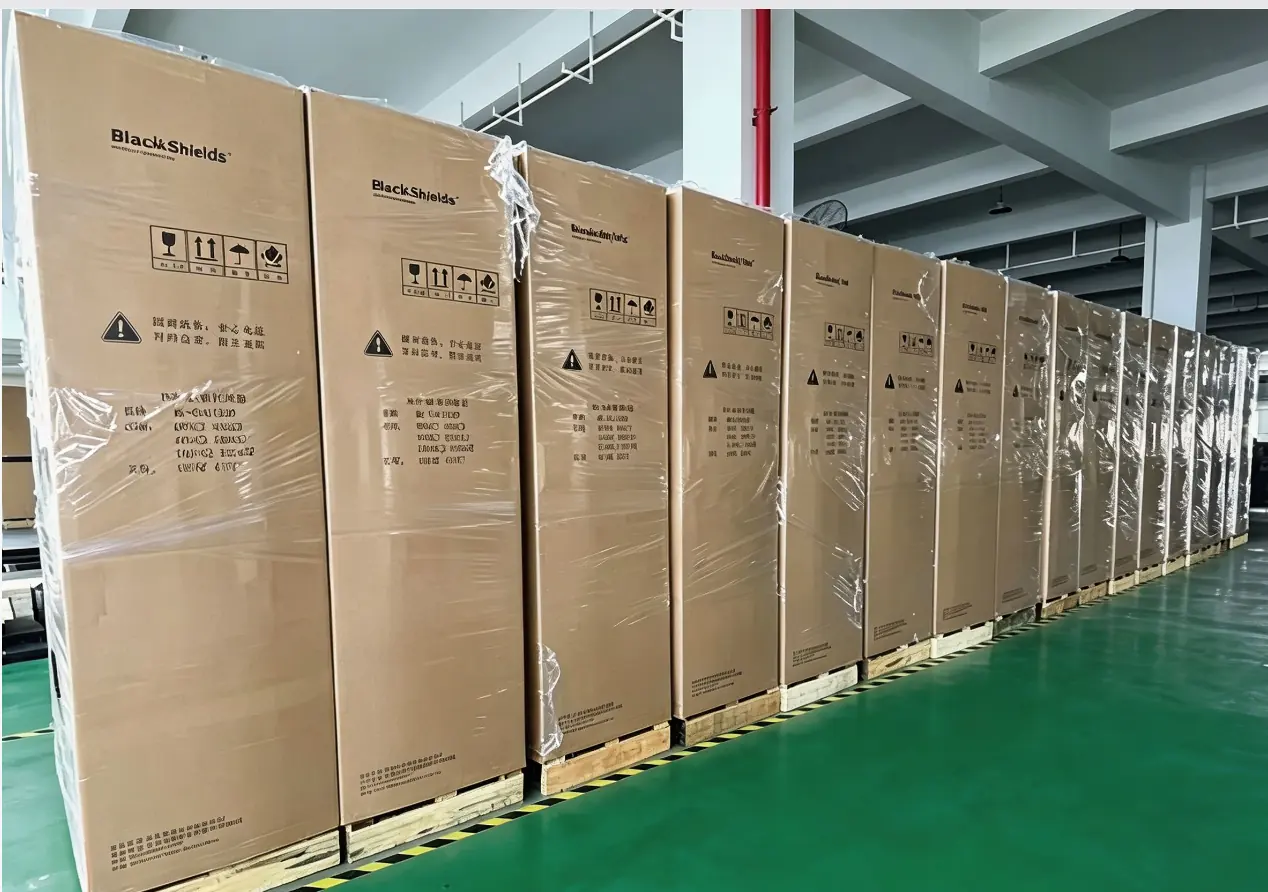
Packaging is planned around cabinet size, weight, finish, protruding hardware, loose accessories, pallet limits, moisture exposure and destination handling.
Scope
What This Capability Covers
The objective is to deliver the approved geometry and appearance, not merely place the product in a carton. Large cabinets, powder-coated surfaces, stainless steel panels and accessory kits create different risks. The final method is confirmed from product construction and the buyer's transport requirements.
Real production video
See This Capability on Our Shop Floor
These short clips show actual work at Fulei Metal. They support the process explanation; the controlled drawing and written quotation still define the final route.
Manufacturing route
How the Work Is Controlled
- 01
Complete pre-packing inspection and accessory count
- 02
Protect surfaces, openings and protruding hardware
- 03
Apply separators, bags, cartons or project-specific protection
- 04
Secure cartons or cabinets to the pallet as required
- 05
Photograph agreed packing evidence before dispatch
Engineering checkpoints
Where OEM Projects Usually Need Clear Decisions
These points are reviewed against the real part and the buyer’s acceptance requirements.
Surface abrasion
Finished panels need separation so vibration does not turn adjacent parts into abrasive contact points.
Corner and door damage
Weight must be carried through a stable structure rather than locks, handles or unsupported panels.
Moisture exposure
Route, storage duration and material condition determine whether added moisture or corrosion protection is required.
Receiving efficiency
Labels, accessory kits and packing lists should help the buyer verify and install the shipment.
Buyer input
What to Include in Your RFQ
Clear project information allows engineering questions, price and timing to be based on the same scope.
- Destination and transport mode
- Carton, pallet, stacking or warehouse limits
- Cosmetic surfaces and corrosion concerns
- Accessory and labelling requirements
- Packaging approval photos or samples
Discuss a real project
Let the Drawing Define the Process and Acceptance Plan
Send the controlled files, quantities and application context. We will identify missing information and prepare a practical basis for quotation.