
01 / Engineering review
Sheet Metal DFM Engineering Review
Before quotation, we connect the buyer drawing to cutting, bending, welding, hardware, finishing, assembly, inspection and packaging. The goal is to remove assumptions before they become sample rework or batch variation.
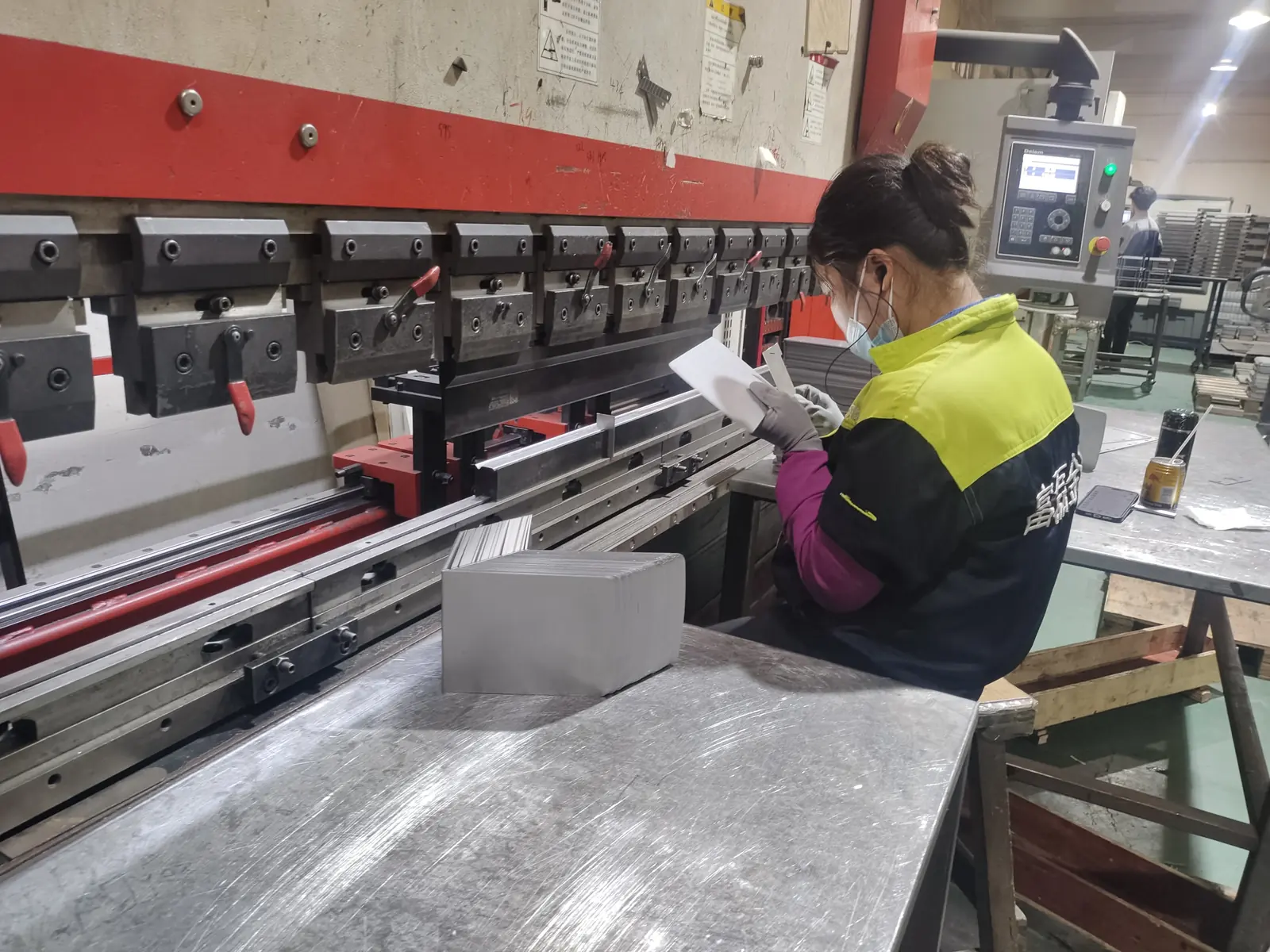
Scope
What This Capability Covers
This review is intended for OEM equipment manufacturers and system integrators sourcing enclosure bodies, control cabinets, access panels, brackets and assembled sheet metal structures. It supports manufacturability discussion; it does not replace the buyer's product engineering, electrical design or certification responsibility.
Manufacturing route
How the Work Is Controlled
- 01
Review 2D drawings, 3D models, BOM and target quantity
- 02
Mark missing material, finish, tolerance and assembly information
- 03
Check bend access, weld access, hardware position and coating masks
- 04
Agree first-piece evidence and open technical questions
- 05
Freeze the approved revision used for production
Engineering checkpoints
Where OEM Projects Usually Need Clear Decisions
These points are reviewed against the real part and the buyer’s acceptance requirements.
Geometry and datums
Datums, mating faces, door gaps, mounting points and connector openings need a clear inspection basis.
Process sequence
A feature that is easy to model may become inaccessible after a bend, weld or inserted fastener.
Appearance and finish
Cosmetic faces, grinding scope, texture references and masked areas should be defined before sampling.
Revision discipline
The quotation, prototype and batch must point to the same controlled drawing revision.
Buyer input
What to Include in Your RFQ
Clear project information allows engineering questions, price and timing to be based on the same scope.
- STEP or SolidWorks model when assembly fit matters
- PDF or DWG/DXF drawing with dimensions and notes
- Prototype, first-batch and annual quantities
- Material, finish, cosmetic faces and certification needs
- Buyer-supplied parts, assembly scope and destination
Discuss a real project
Let the Drawing Define the Process and Acceptance Plan
Send the controlled files, quantities and application context. We will identify missing information and prepare a practical basis for quotation.