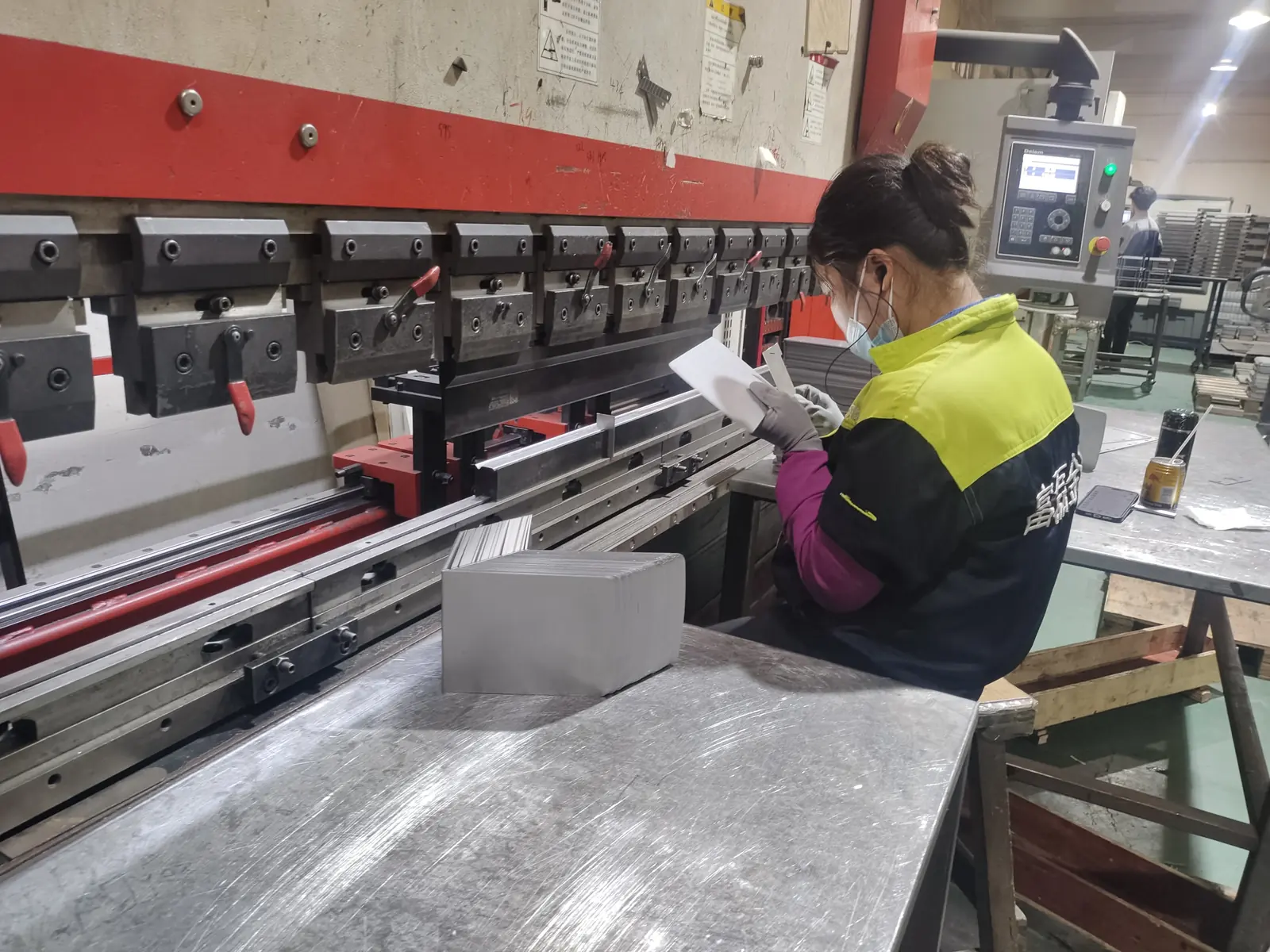
Implement material certification and traceability systems. Learn about mill test certificates, heat numbers, material identification, and chain-of-custody documentation.
Introduction
Material certification and traceability ensure that the materials used in manufacturing meet specifications and can be tracked throughout the production process. This is critical for quality assurance, regulatory compliance, and customer requirements. At Fulei Metal, we maintain rigorous material traceability for all our products.
What is Material Traceability?
Definition
Material traceability is the ability to track material from its source (mill or supplier) through all manufacturing processes to the finished product. It creates a chain of custody that links the finished product back to the original material.
Why Traceability Matters
Quality assurance: verify material meets specification. Problem investigation: identify affected products if material defect found. Recall management: identify and recall affected products. Regulatory compliance: meet industry and government requirements. Customer requirement: many customers require traceability. Liability protection: demonstrate due diligence.
Traceability Levels
Lot traceability: track material by lot or batch. Heat traceability: track material by heat number (unique to each melt). Individual part traceability: track each part individually. Level depends on: customer requirements, product criticality, regulatory requirements, cost considerations.
Mill Test Certificate (MTC)
What is an MTC?
A Mill Test Certificate is a document provided by the material manufacturer (mill) that certifies the material’s properties. It documents: chemical composition, mechanical properties, heat treatment, material grade, dimensions, applicable standard.
EN 10204 Certificate Types
Type 2.1: Declaration of compliance with the order. Non-specific inspection. Manufacturer’s declaration. Type 2.2: Declaration of compliance with the order. Specific inspection. Manufacturer’s declaration. Type 3.1: Inspection document specific to the product. Manufacturer’s inspection. Signed by manufacturer’s authorized representative. Most common for industrial applications. Type 3.2: Inspection document specific to the product. Inspected by manufacturer and independent third party. Signed by both. Required for: critical applications, pressure vessels, offshore.
MTC Content
Manufacturer name and address. Customer name and address. Order number and date. Material description and dimensions. Material grade and standard. Heat number or batch number. Chemical composition: element percentages. Mechanical properties: yield strength, tensile strength, elongation. Heat treatment condition. Test method standards. Test results. Authorized signature and date.
Receiving Inspection
Verify MTC matches purchase order. Verify material grade matches specification. Verify chemical composition within limits. Verify mechanical properties meet minimums. Verify dimensions match order. Verify heat number is unique. File MTC for traceability.
Material Identification
Heat Number
Unique identifier assigned by the mill to each heat (melt) of metal. Links material to its MTC. Must be maintained throughout manufacturing. Methods of marking: stenciling on plate, tag on coil, label on package.
Material Marking Methods
Stenciling: paint or ink marking on material surface. Stamping: steel stamp on material surface. Engraving: engraved marking on material surface. Label: adhesive label with barcode or text. Tag: metal or plastic tag attached to material. RFID: radio frequency identification tag embedded in material.
Identification Through Manufacturing
Material identification must be maintained through: cutting: transfer heat number to cut pieces. Bending: maintain identification on bent parts. Welding: identify material in weldments. Surface treatment: maintain identification through coating. Assembly: identify material in assemblies. Packaging: identify material on packaging.
Transfer of Identification
When material is cut or processed, the identification must be transferred to the resulting pieces. Methods: write heat number on each piece, attach tag to each piece, use barcode label on each piece, maintain lot identity for bulk parts. Transfer must be accurate and documented.
Traceability System
Receiving
Record: material received, supplier, heat number, quantity, MTC reference. Assign internal lot number if needed. Store material with identification visible. Enter into inventory system.
Production
Record: material used for each job, heat number, quantity used, parts produced. Link material to work order. Maintain identification on work-in-process. Record material usage in production records.
Inspection
Record: material certification for inspected parts, heat number on inspection reports. Verify material grade during inspection. Link inspection results to material.
Shipping
Record: material heat numbers for shipped products. Include material certification in shipment documentation. Maintain link between shipped product and material source. Enable traceability from customer back to mill.
Documentation
Material certificates. Receiving inspection records. Production records linking material to products. Inspection records with material reference. Shipping records with material reference. Traceability matrix: links finished product to material source.
Digital Traceability
Barcode System
Barcode on each material piece. Barcode scanned at each process step. System tracks material through production. Links material to work orders, inspection results, and shipping. Fast and accurate.
RFID System
RFID tag on material or container. Automatic reading at process steps. No line-of-sight required. Can read multiple tags simultaneously. Higher cost than barcode. Suitable for: large operations, reusable containers.
MES/ERP Integration
Material management module in ERP. Tracks material from receipt to shipment. Links material to work orders and products. Real-time inventory and traceability. Automated data collection. Comprehensive reporting.
Cloud-Based Traceability
Material data stored in cloud. Accessible from anywhere. Real-time tracking. Customer access portal. Secure backup. Reduces paperwork and improves accessibility.
Traceability in Practice
Sheet Metal Traceability Challenge
Sheet metal is often received in large sheets or coils. Individual parts are cut from the sheet. Each part must be traceable to the original sheet and heat number. Challenge: maintaining identification through cutting, bending, welding, coating.
Solutions
Cut sheet into manageable pieces with identification. Transfer heat number to each piece during cutting. Use barcode labels on work-in-process. Maintain lot identity for parts from same heat. Document material usage in production records. Use digital system for tracking.
Welded Assembly Traceability
Welded assemblies may contain multiple materials. Each component must be traceable. Record: material for each component, heat number for each component. Maintain identification through welding. Document material composition of weldment. Provide material certification for all components.
Common Traceability Problems
Lost Identification
Problem: material identification lost during processing. Cause: marking worn off, tag removed, not transferred after cutting. Prevention: use durable marking, transfer identification immediately after cutting, use digital tracking.
Mixed Materials
Problem: different materials mixed together. Cause: poor organization, similar appearance, inadequate identification. Prevention: separate storage, clear identification, visual distinction (color coding), verify material before use.
Incomplete Documentation
Problem: missing or incomplete material certification. Cause: supplier did not provide, lost in filing, not requested. Prevention: require MTC with every order, verify at receiving, file immediately, digital storage.
Non-Traceable Material
Problem: material cannot be traced to source. Cause: identification lost, documentation missing, material from unknown source. Impact: material cannot be used for critical applications, may need to be scrapped or downgraded. Prevention: maintain identification, require certification, do not accept untraceable material.
Industry Requirements
Automotive (IATF 16949)
Material traceability required for safety-critical parts. Heat traceability for critical materials. FIFO (first-in-first-out) inventory management. Material lot control. Customer-specific requirements.
Aerospace (AS9100)
Full traceability required. Heat number traceability for all materials. Material certification for all parts. Configuration management. Strict documentation control.
Medical (ISO 13485)
Material traceability for implantable and critical devices. Unique device identification. Sterilization traceability. Biocompatibility documentation. Regulatory compliance.
Construction (EN 1090)
Material certification for structural steel. CE marking requirements. Traceability for structural components. Welded component traceability. Conformity assessment.
At Fulei Metal
Our material traceability system includes: material certification for all incoming material. Heat number tracking through production. Material identification transfer at each process step. Digital material tracking system. Production records linking material to products. Material certification included with shipments. We maintain full traceability for our global clients, providing the documentation they need for their quality and regulatory requirements.
Conclusion
Material certification and traceability are essential for quality assurance and regulatory compliance. At Fulei Metal, our comprehensive traceability system ensures that we can track material from source to finished product, providing confidence and documentation for our international clients across all industries.