
19-Inch Rack Cabinet Sheet Metal Manufacturing
This Network Cabinet Enclosure Manufacturing Guide is written for network equipment brands, data center integrators, telecom equipment buyers and system builders who source custom 19-inch rack cabinet enclosures from a sheet metal factory.
A network cabinet is not only a tall metal box. The enclosure must support rack-mounted equipment, airflow, cable routing, grounding, door operation, service access, packaging and repeatable batch assembly. Fulei Metal focuses on the sheet metal structure: cabinet frames, rack rails, shelves, perforated doors, side panels, top and bottom cable entry, welded supports, powder coating and assembly-ready cabinet bodies.
Electrical configuration, IT equipment selection, final safety certification and site-level grounding compliance should be confirmed by the buyer’s engineering team. Our job is to fabricate the cabinet enclosure accurately from the approved drawing so the buyer can install switches, patch panels, PDUs, routers, UPS units and cable management hardware with less rework.
What Buyers Should Confirm Before Ordering a Network Cabinet Enclosure
Before a network cabinet project moves into sheet metal production, the buyer should confirm the rack height, width, depth, equipment weight, airflow direction, cable entry, door style, locking method, grounding points and packing requirement. These details decide whether the cabinet is suitable for a network closet, office server room, telecom equipment area, factory network system or data center installation.
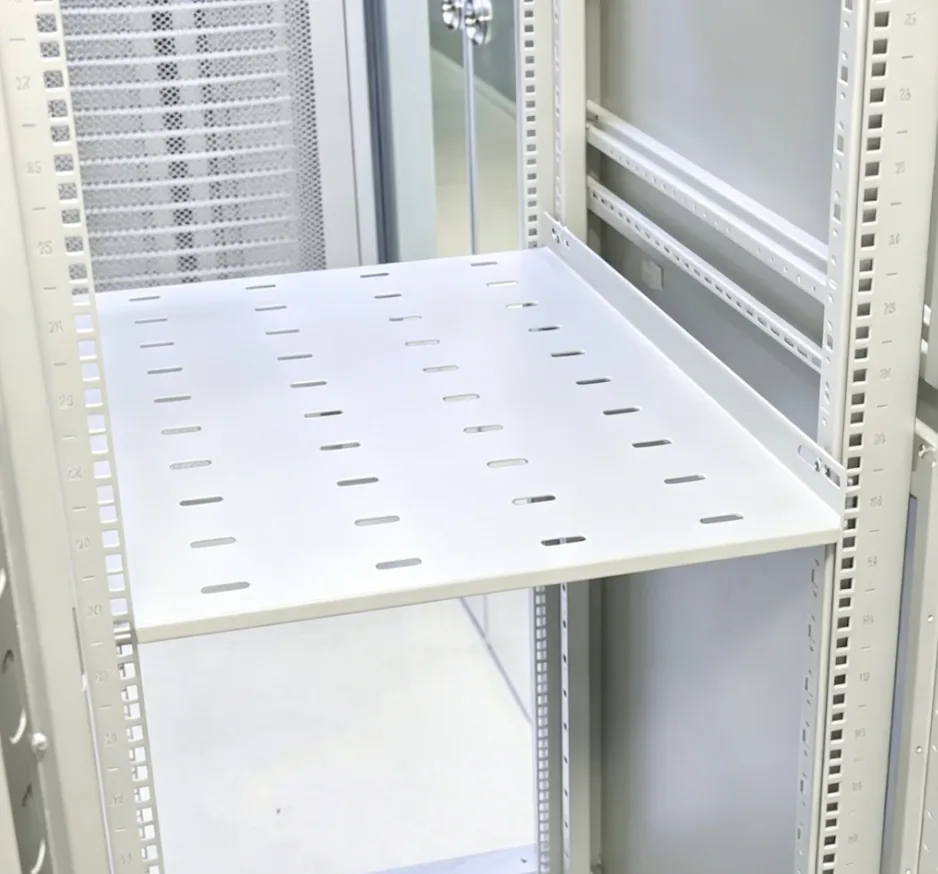
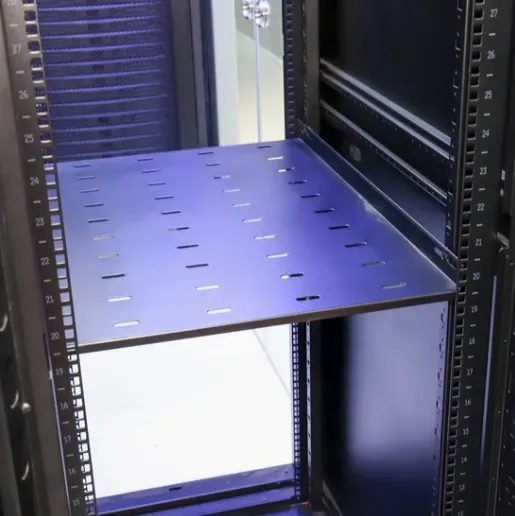
For 19-inch rack applications, the front and rear mounting rails need consistent spacing and vertical alignment. The cabinet depth must allow enough room for equipment bodies, cable bend radius, rear connectors, PDUs and service access. If active equipment generates heat, the door perforation, fan openings and blocked cable paths should be reviewed before production.
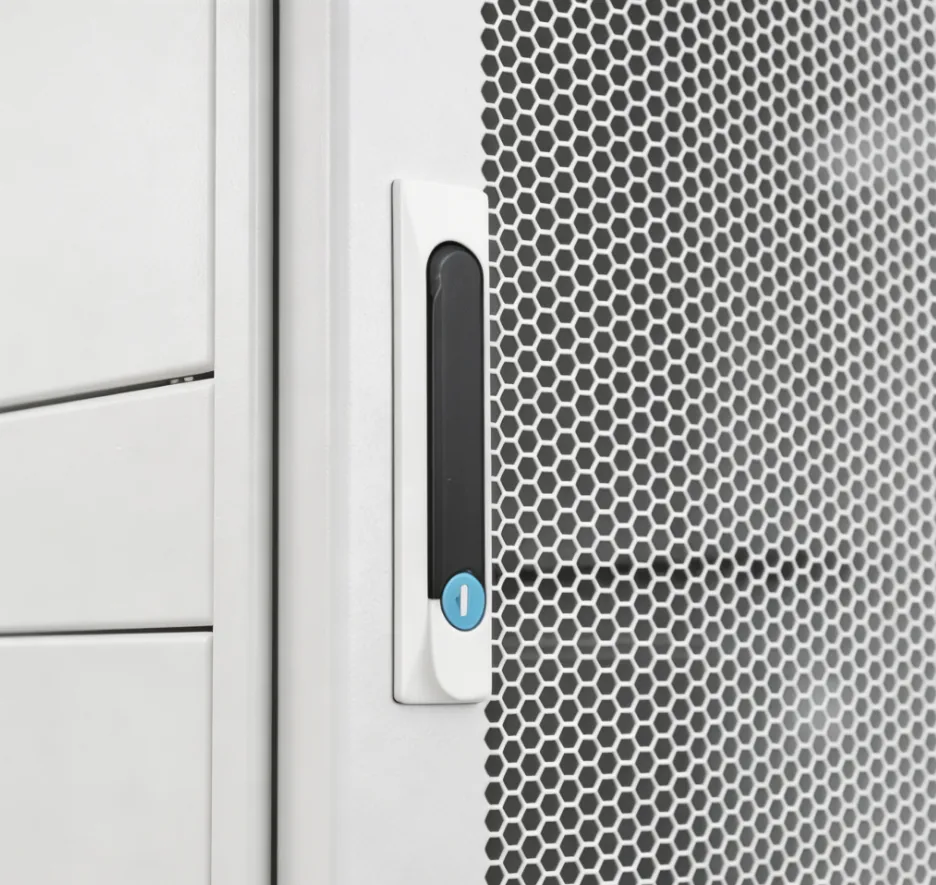
Key Manufacturing Points for 19-Inch Rack Cabinets
| Area | What to Specify | Why It Matters |
|---|---|---|
| Rack format | Cabinet height in U, 19-inch rail type, square holes or threaded holes, front and rear rail distance. | Correct rail layout allows switches, patch panels, shelves, PDUs and equipment brackets to fit without site modification. |
| Frame structure | Welded or assembled frame, base design, top frame, side panel fixing, caster and leveling foot position. | The frame controls squareness, stability, transport strength and final equipment load support. |
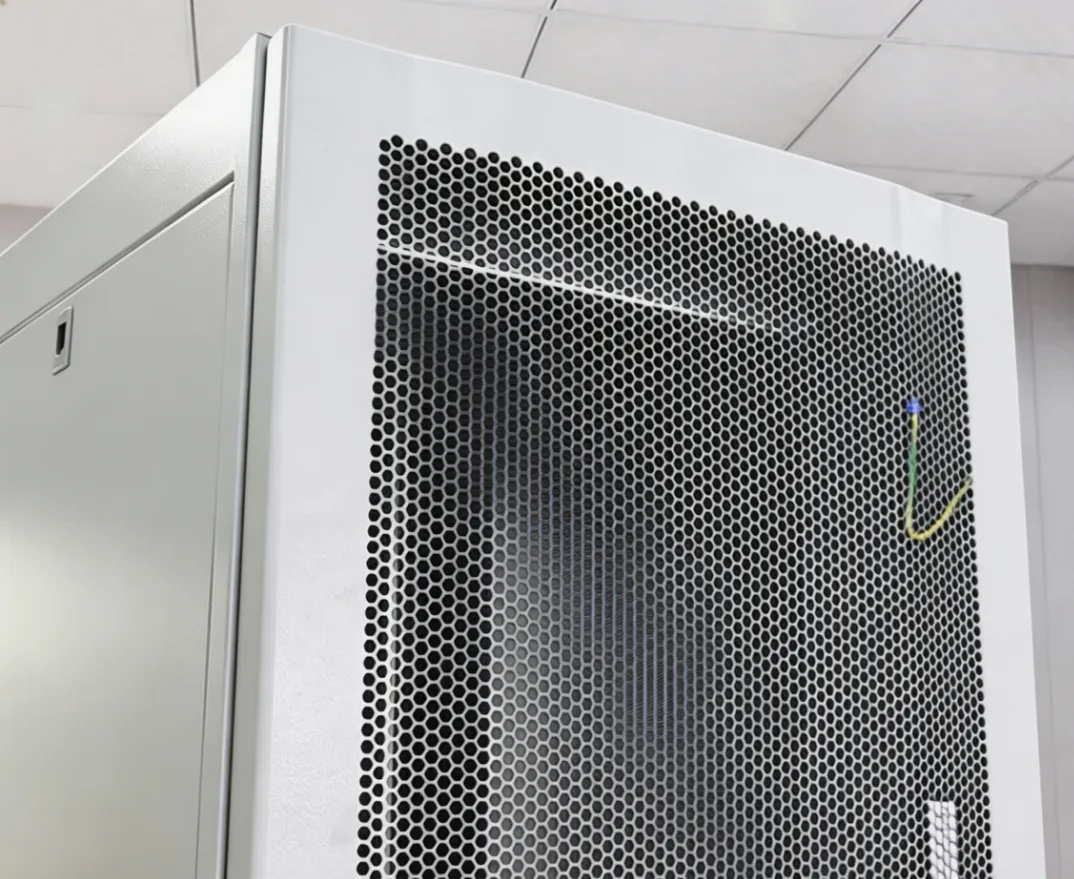
| Door design | Perforated front/rear door, glass door, solid door, removable side panels, hinge direction, handle lock and opening angle. | Door structure affects airflow, security, service access and buyer-facing appearance. |
| Airflow | Perforation pattern, fan tray cutouts, top/bottom ventilation, blanking panel planning and front-to-rear airflow path. | Network equipment reliability depends on avoiding heat buildup and blocked exhaust paths. |
| Cable management | Top entry, bottom entry, brush strip openings, gland plates, vertical cable managers and rear clearance. | Good cable routing reduces installation time and avoids cable stress around patch panels and switches. |
| Grounding and bonding | Grounding studs, door bonding wire position, side panel bonding points and rack frame grounding location. | Metallic cabinet parts may need defined bonding paths depending on project and site requirements. |
| Surface treatment | Powder coating color, texture, masking zones, corrosion environment and touch-up requirements. | Finish quality affects appearance, corrosion resistance and receiving inspection. |
| Packaging | Cabinet protection, corner guards, pallet size, carton markings, accessory box location and container loading method. | Tall cabinets can be damaged by vibration, edge impact and poor pallet support during export shipment. |
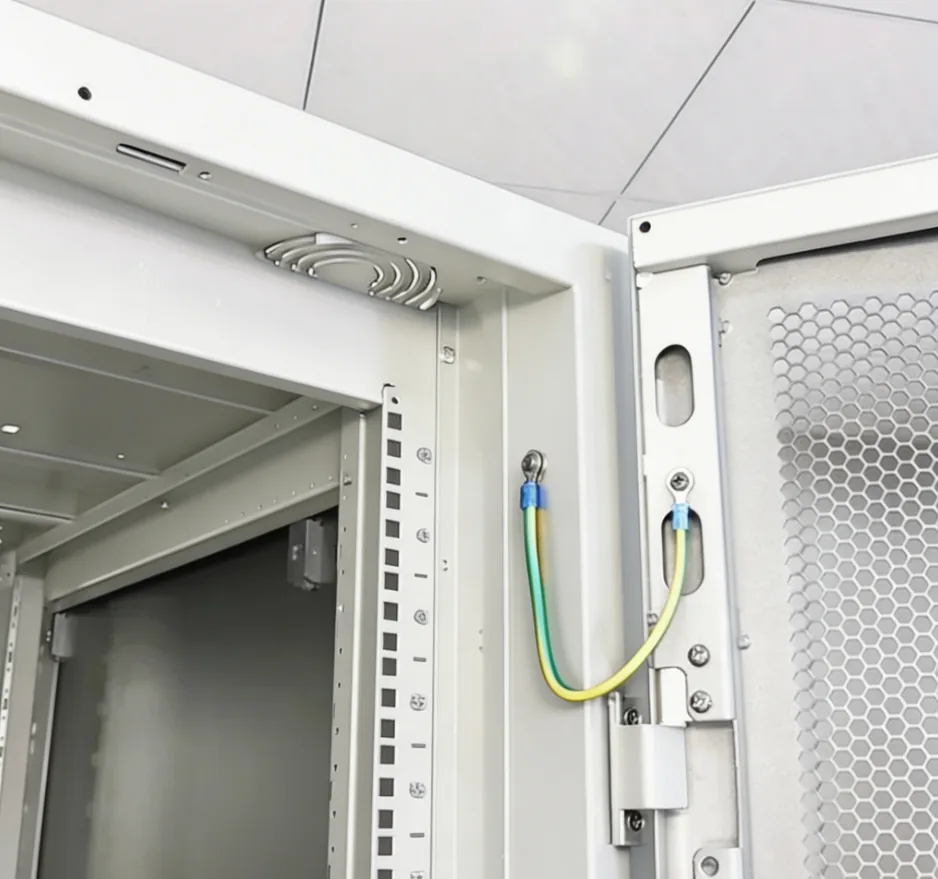
Grounding, Bonding and Service Details Should Be Designed into the Metal Structure
For network cabinet projects, small details often decide whether installation goes smoothly. Door bonding wires, grounding studs, hinge clearance, rail hole positions, top cable openings and side panel fasteners should be shown clearly in the drawing or confirmed during the design review stage.
Telecommunications buyers may reference grounding and bonding standards such as ANSI/TIA-607 for project design. Fulei can manufacture the grounding studs, bonding points and metal contact features required by the buyer’s drawing, while final site-level compliance remains with the responsible engineering team.
Airflow and Cable Routing Are Part of the Cabinet Structure
Network cabinets often carry switches, routers, patch panels, optical equipment, UPS units and PDUs. Heat and cable density increase quickly when the cabinet is fully populated. Perforated doors, top openings, bottom openings, fan trays and rear service space need to be reviewed as one system instead of separate sheet metal features.
A useful cabinet drawing should show equipment depth, cable entry side, fan direction, PDU location, rear connector clearance and whether the cabinet will be installed against a wall or in a row. This helps the sheet metal supplier avoid hidden conflicts between holes, rails, doors and cable paths.
From Welded Frame to Powder-Coated Cabinet Body
The most important manufacturing risks are frame squareness, hole alignment, rail spacing, door fit and coating protection. If the frame moves during welding, the rack rails and doors may still look acceptable separately, but the finished cabinet can become difficult to assemble or adjust.
For repeat orders, Fulei checks critical dimensions before surface treatment and again during final assembly. This is especially important for network cabinet buyers who need stable batches rather than one acceptable sample.
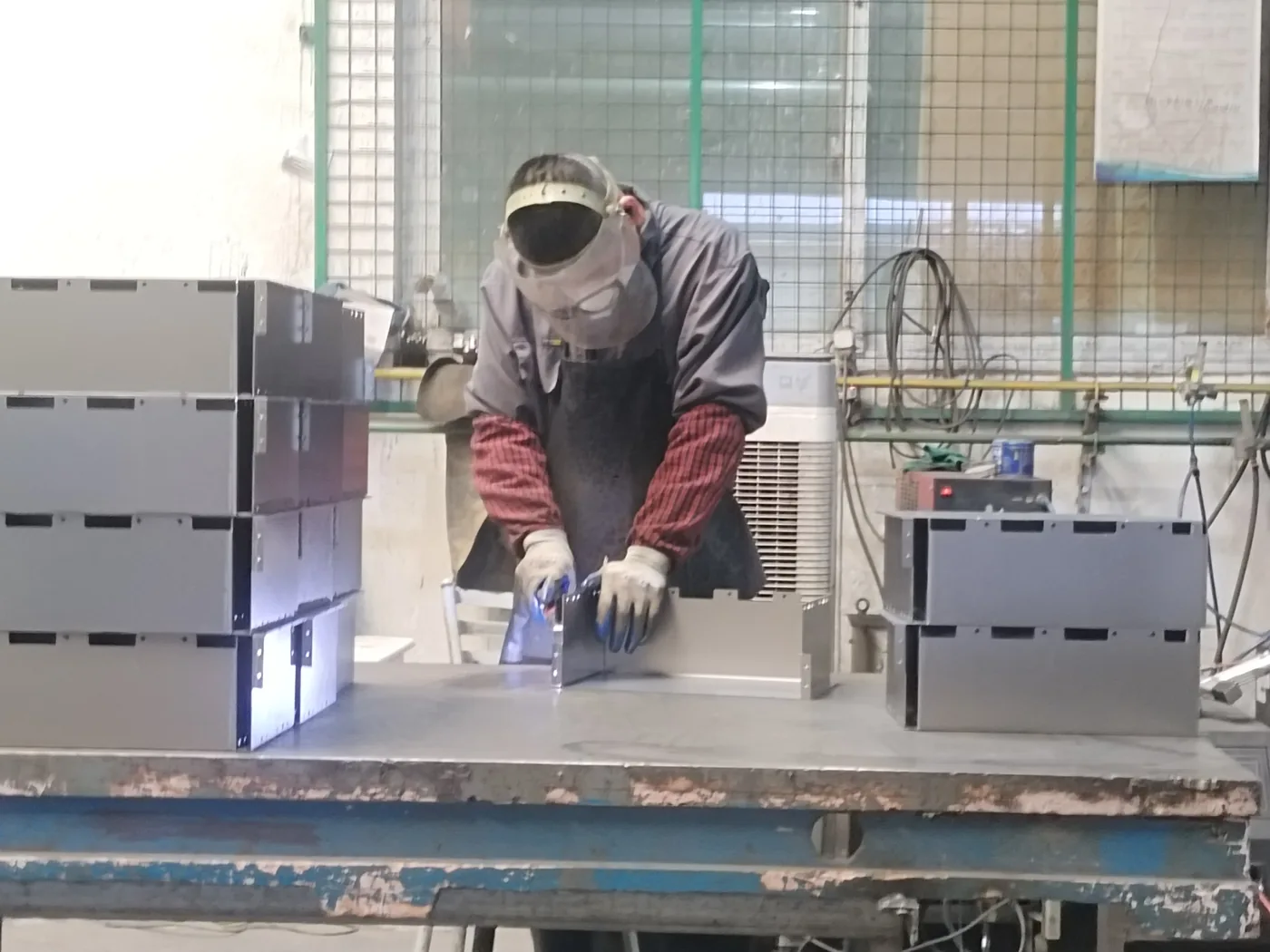
Manufacturing Workflow for Network Cabinet Enclosures
Drawing Review
Confirm U height, rail structure, door style, cable entry, airflow openings, material, finish and accessory scope.
Laser Cutting
Cut perforated doors, mounting holes, cable openings, fan cutouts, gland plates and side panel features.
CNC Bending
Form rails, cabinet panels, door frames, base parts and support brackets with controlled bend angles.
Welding
Weld frames, supports and reinforced structures, then check squareness and mounting relationships.
Powder Coating
Apply the required color and texture while protecting threaded areas, grounding contact points or masked zones.
Assembly Check
Install or check doors, locks, hinges, rails, shelves, side panels, feet, casters and accessories before packing.
Standards and Requirements Buyers May Reference
Network cabinet buyers may mention EIA-style 19-inch rack compatibility, IEC 60297 dimensional expectations, ANSI/TIA grounding and bonding practices, UL 2416 for ICT cabinet and rack systems, or IEC 60529 IP requirements for protected enclosures. These references should be discussed during the RFQ stage because they influence rail dimensions, grounding features, door design, gasket paths, cable entry and test responsibility.
Fulei does not replace the buyer’s certification body, electrical engineer or site installer. We manufacture the sheet metal cabinet enclosure according to the released drawings and the confirmed manufacturing specification. If a project needs a tested load rating, IP test, special seismic requirement or compliance document, please include that requirement before quotation.
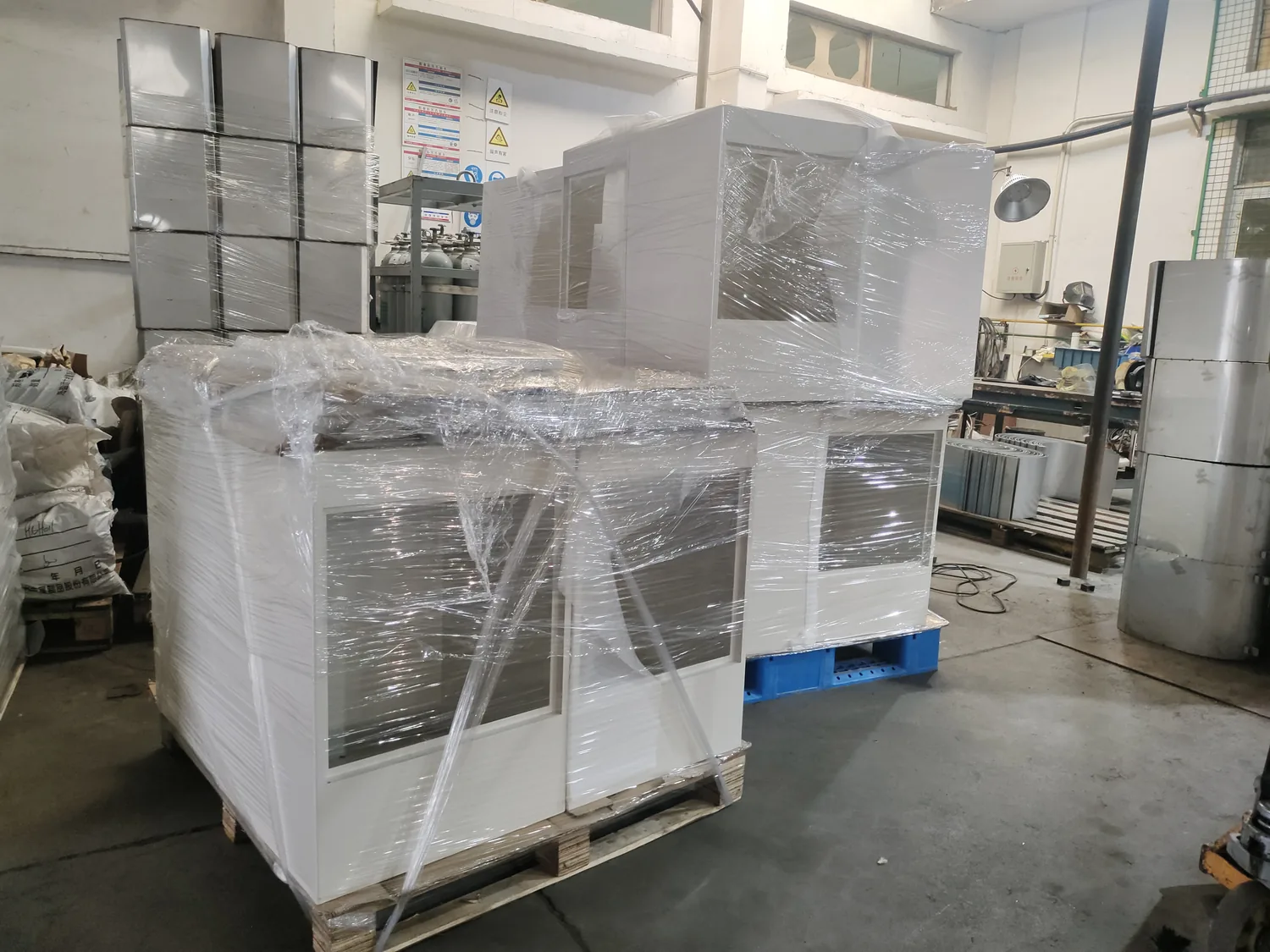
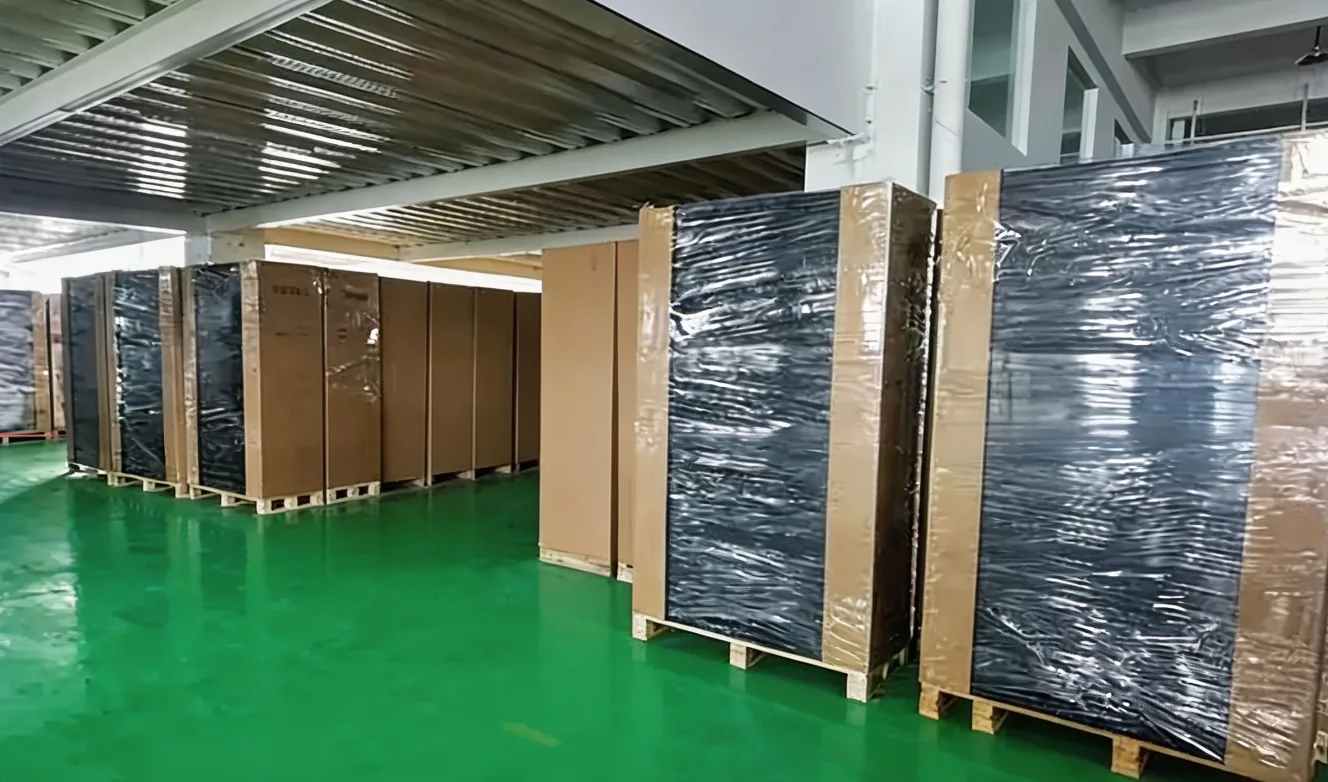
Export Packaging for Tall Rack Cabinets
Network cabinets are vulnerable during long-distance transport because the surface area is large, the doors are thin compared with the cabinet height, and corners can be damaged by forklift handling. Packaging should protect the powder-coated surface, door edges, lock handles, mesh panels and internal accessories.
For export orders, buyers should confirm whether the cabinets ship assembled, knocked-down, with accessories packed inside, or with separate hardware cartons. Clear carton marks, pallet dimensions and loading direction reduce receiving confusion when the shipment reaches the warehouse or job site.
RFQ Checklist for a Custom Network Cabinet Enclosure
To quote a network cabinet enclosure accurately, please send a clear RFQ package instead of only a photo. The most useful information includes:
- 2D drawings and STEP, IGES or SolidWorks files if available.
- Cabinet height in U, external size, usable depth and target rack format.
- Material and thickness for frame, doors, side panels, shelves and rails.
- Door type: perforated, glass, solid, single door, split rear door or removable side panels.
- Rail type, shelf quantity, PDU mounting area, cable management parts and accessory list.
- Airflow direction, fan tray openings, top or bottom cable entry and ventilation requirement.
- Grounding studs, bonding wire positions, coating masking and electrical contact areas.
- Surface finish, color, texture, logo or label requirement and inspection standard.
- Quantity, packing method, loading requirement and receiving inspection documents.
Common Problems This Guide Helps Buyers Avoid
Many cabinet problems start before production: rail depth is not confirmed, cable exit is blocked by equipment, door perforation is too weak, side panels cannot be removed after installation, grounding points are missing, or the cabinet is too wide for the planned aisle. These issues are expensive to fix after powder coating and assembly.
The safest approach is to treat the cabinet as a complete installed system. Confirm the equipment list, cable path, airflow, access direction and packaging plan before the sheet metal supplier begins batch production.
Related Pages for Network and Electrical Cabinet Buyers
FAQ: Network Cabinet Enclosure Manufacturing
Can Fulei manufacture custom 19-inch network cabinet enclosures?
Yes. We can fabricate custom network cabinet bodies, rack rails, side panels, perforated doors, shelves, gland plates, welded frames and sheet metal accessories according to buyer drawings.
Can you make both black and white powder-coated rack cabinets?
Yes. Powder coating color, texture and masking areas can be confirmed from the buyer’s drawing, sample or color reference. Final coating requirements should be listed in the RFQ.
Do you provide the electrical or IT components?
Our focus is sheet metal enclosure fabrication and assembly-ready cabinet structures. IT equipment, electrical design, wiring and final system compliance should be handled by the buyer or system builder.
Can you add grounding studs and door bonding wire positions?
Yes. Grounding studs, bonding wire mounting points and contact areas can be fabricated when they are defined in the project drawing or confirmed during engineering review.
What drawings are needed for quotation?
PDF drawings are helpful for dimensions and notes. STEP, IGES or SolidWorks files help review rail positions, door fit, internal clearance, cable entry and assembly relationships.
Can you pack tall network cabinets for export shipment?
Yes. Packing method can be reviewed according to cabinet size, surface finish, accessory list, pallet requirement and container loading plan.
Send Your Network Cabinet Drawing for Review
Fulei Metal supports custom network cabinet enclosure fabrication, including 19-inch rack cabinet frames, perforated doors, mounting rails, shelves, grounding details, cable entry plates, powder coating and export packaging. Send your drawings, quantity, material, finish and assembly requirements for review.
What stands behind this quotation
- Manufacturing since 20162,500 m² Ningbo plant — 3 laser cutting machines (including newer TRUMPF), 4 CNC press brakes and 10 welding stations.
- Shipped to more than 30 export marketsEnclosures, cabinets and formed parts supplied to OEM buyers across Europe, North America and Asia.
- 123 documented product casesMedical device housings, HVAC and heat pump enclosures, agricultural and livestock equipment, industrial hydraulics, material handling trolleys and EV charging cabinets.
- Factory evidence you can checkTUV Rheinland audit reference MIC-ASI243729 and Bureau Veritas reference MIC-ASR263630 available for buyer review under NDA.
Before you send drawings: an NDA is signed on request · first-article inspection is carried out before a batch continues · pricing is staged from prototype quantity to repeat volume · pre-shipment photos and packing records are prepared when the project needs them.