
HVAC Control Box Enclosure Fabrication
This HVAC Electrical Control Box Fabrication Guide is written for HVAC equipment manufacturers, system builders and panel builders sourcing custom sheet metal enclosures for control systems. The metal box is not only a cover. It affects component layout, heat dissipation, service access, cable entry, grounding points, sealing, installation and final equipment appearance.
Fulei Metal focuses on the sheet metal structure behind HVAC control boxes: cabinet bodies, doors, access panels, mounting backplates, ventilation openings, gasket channels, gland plates, welded supports and surface finishing. Electrical design, component certification and final panel compliance should be confirmed by the buyer or the responsible panel builder. Our role is to make the custom metal enclosure fit the drawing, protect the components and support stable assembly.
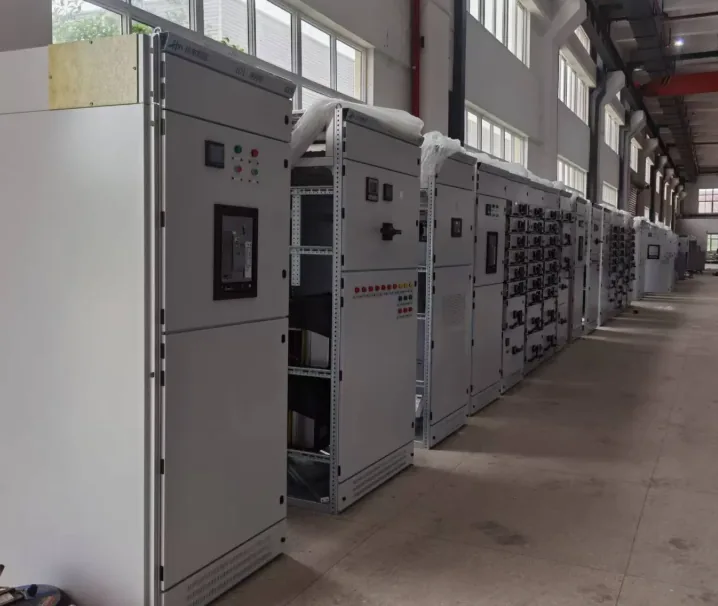
What Makes an HVAC Control Box Different from a Standard Metal Enclosure?
HVAC equipment often works around vibration, temperature change, airflow, condensate risk, dust, service doors and outdoor or rooftop installation. A simple sheet metal box may look acceptable at first, but problems appear when the buyer starts installing fans, controllers, relays, sensors, terminal blocks, cable glands, filters or service panels.
A good HVAC electrical control box enclosure should be designed around the real equipment environment. That means the metal structure must allow enough clearance for components, reliable door operation, practical service access, suitable ventilation, correct cable entry and a finish that matches the expected use condition.
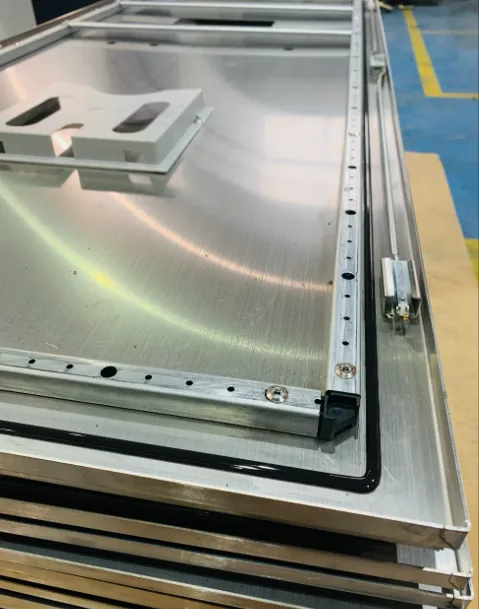
Key Fabrication Points for HVAC Electrical Control Boxes
| Fabrication Area | What to Confirm | Why HVAC Buyers Care |
|---|---|---|
| Cabinet structure | Overall dimensions, base frame, lifting or mounting points, removable panels and access direction. | The enclosure must fit the HVAC unit, mechanical room, rooftop frame or equipment skid. |
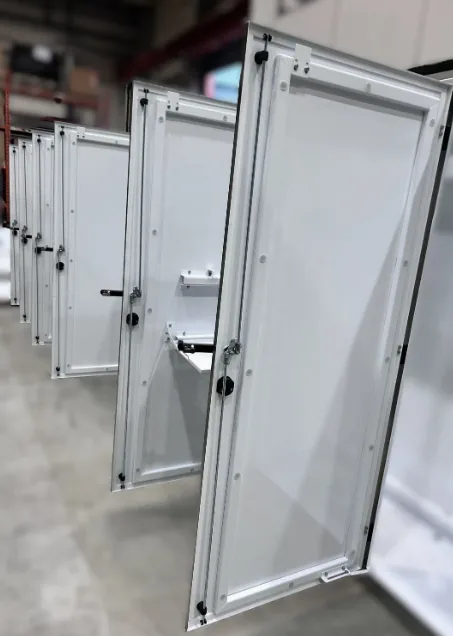
| Door and service access | Door swing, hinge position, lock type, gasket path, inspection window and removable cover design. | Maintenance teams need safe access to controls, filters, breakers and wiring areas. |
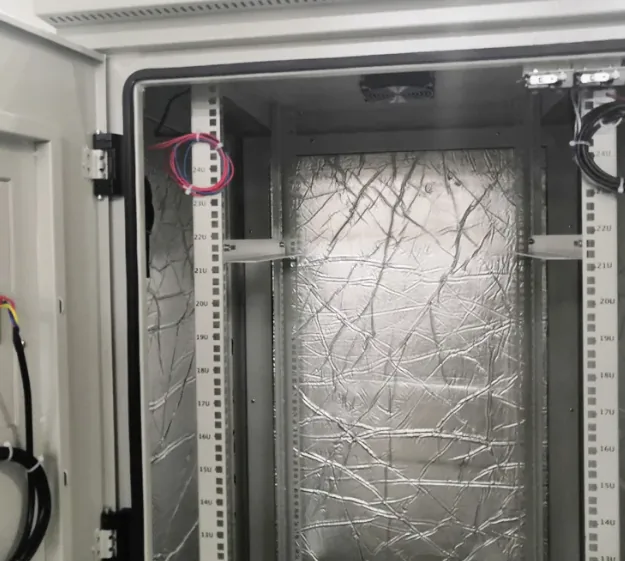
| Mounting backplate | Backplate thickness, stiffness, hole pattern, grounding points, component clearance and cable path. | A weak or poorly located backplate creates assembly delays for the panel builder. |
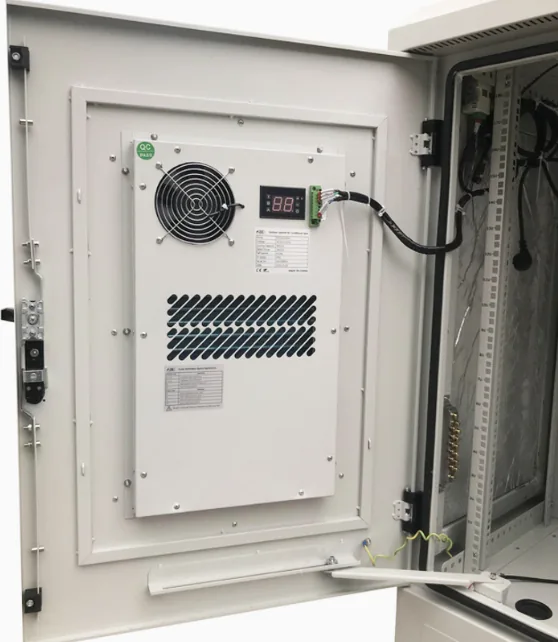
| Ventilation and airflow | Louver openings, fan cutouts, filter openings, airflow direction and protected areas. | Heat buildup can shorten electrical component life and cause service problems. |
| Cable entry | Gland plate size, knockout positions, bottom entry, side entry, cable bend space and sealing needs. | Good cable entry design makes field installation faster and cleaner. |
| Environmental target | Indoor or outdoor use, rain direction, dust, humidity, rooftop exposure and target NEMA/IP requirement. | The enclosure structure should support the buyer’s required protection level. |
| Surface finish | Powder coating, galvanized steel, stainless steel, aluminum, masking and color reference. | Finish affects corrosion resistance, appearance and long-term field performance. |
| Final inspection | Door fit, gasket continuity, hole positions, coating, accessory count, labels and packing protection. | HVAC system builders need repeatable receiving quality across batches. |
Design Around NEMA, IP and Real Installation Conditions
Many HVAC projects mention NEMA or IP requirements in the RFQ. These requirements influence enclosure design, but they should not be treated as a simple label. Door overlap, gasket compression, cable entry, ventilation openings, filter covers, drainage direction and hardware selection all affect whether the final design can support the target protection level.
For North American projects, buyers may reference NEMA enclosure types such as indoor, dust-protected or outdoor rain-resistant use. For European and international projects, buyers may reference IP ratings such as IP54, IP55 or IP65. Fulei can fabricate the metal enclosure according to the buyer’s drawing and structure requirement; final rating validation, electrical compliance and project certification should be confirmed by the responsible engineering team.
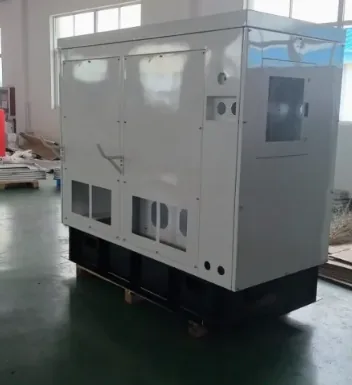
From One Prototype to Repeatable Batch Supply
HVAC equipment manufacturers usually care about repeatability more than a single sample. Once the control box design is approved, the supplier must keep door gaps, mounting holes, ventilation openings, backplate positions and surface finish stable across batches.
That is why we separate HVAC control box work into drawing review, first article check, in-process bending inspection, welding review, surface inspection, assembly fit check and packing release. This reduces the risk of field installation problems after the cabinets arrive.
Manufacturing Workflow
Drawing Review
We review 2D drawings, 3D models, material, thickness, finish, mounting points, cable entry and special HVAC installation notes.
Laser Cutting
Door cutouts, fan holes, louver openings, gland plates, access panels and mounting holes are cut according to the released drawing.
CNC Bending
Bend angles, flange dimensions, return edges and hole-to-bend distance are controlled because they affect cabinet assembly.
Welding and Grinding
Frames, brackets, reinforced areas and supports are welded where required, then reviewed before surface finishing.
Surface Treatment
Powder coating, galvanized steel, stainless steel or aluminum finish is selected according to the buyer’s project environment.
Assembly Fit Check
Doors, hinges, locks, gaskets, backplates, rails and accessory positions are checked as a finished enclosure.
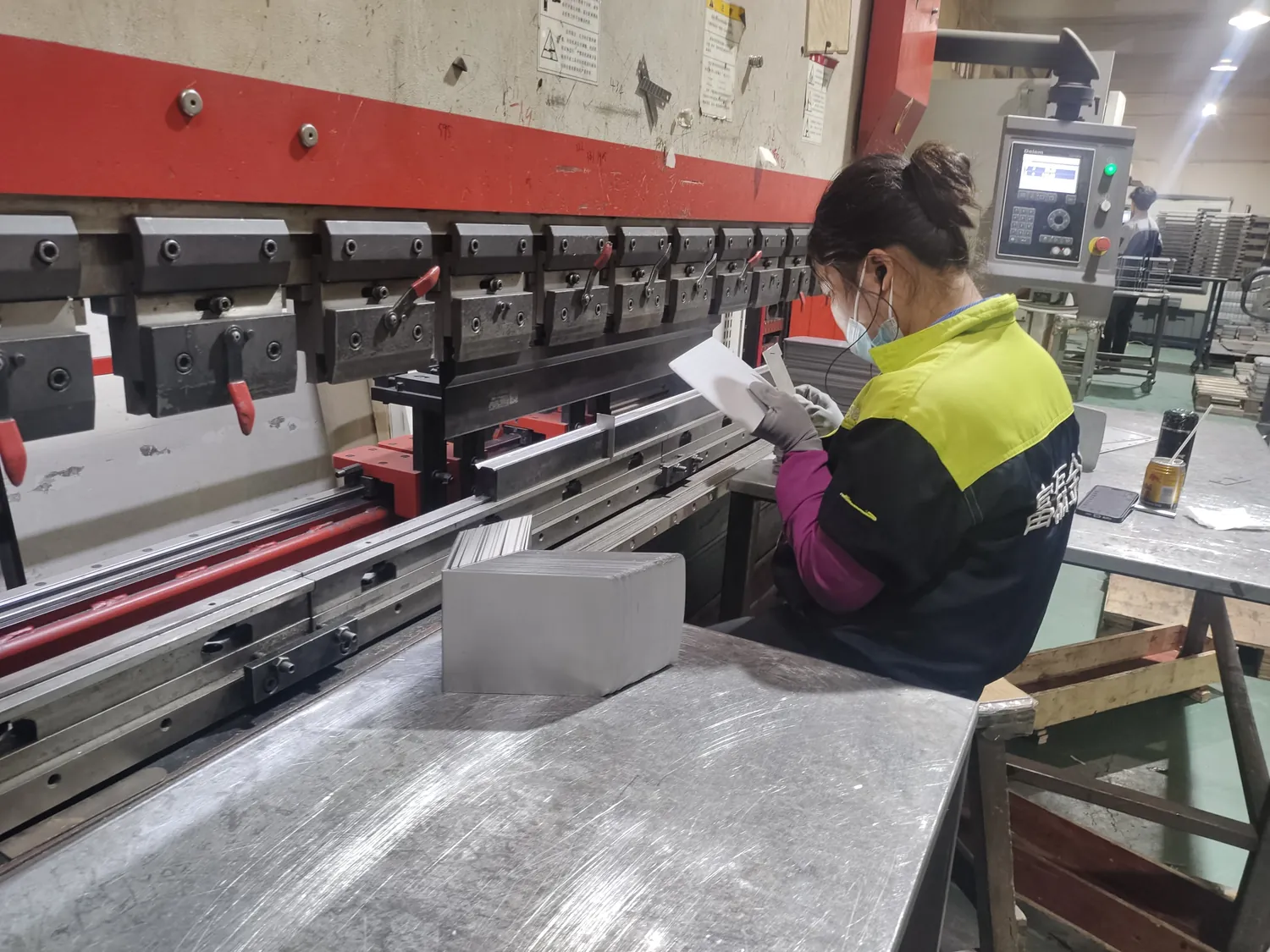
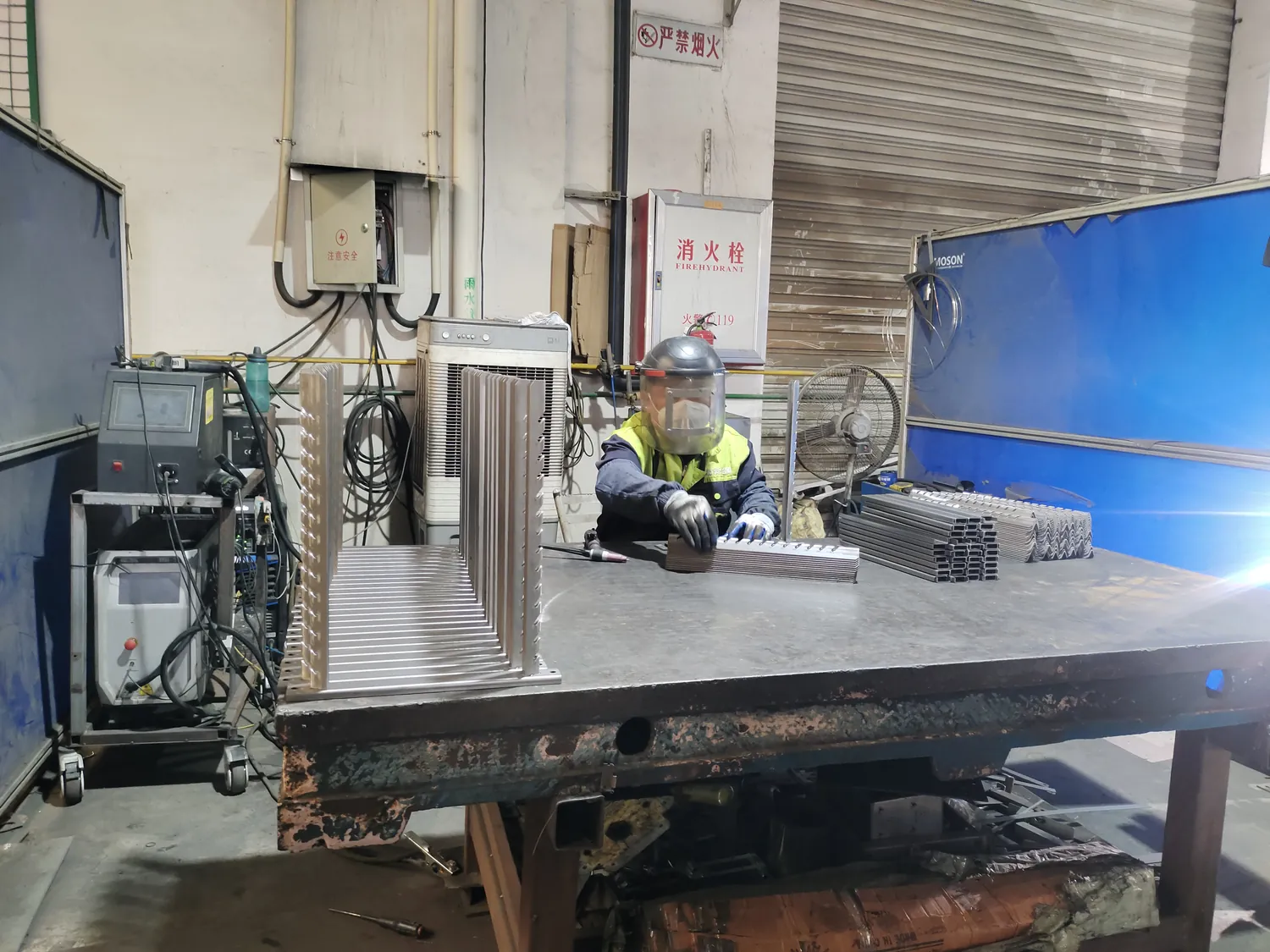
How We Control Bending and Welding Risk
HVAC control boxes often include long doors, vented panels, folded frames and internal supports. If bending is not controlled, the final cabinet may show uneven gaps, twisted panels or poor alignment with the equipment frame. In-process bending checks help confirm that the formed parts still match the drawing before the next operation.
Welding adds another risk: heat can move brackets, pull frames and change door fit. Welded supports should be reviewed before coating, because hidden distortion is difficult to repair later. For projects with tight assembly relationships, buyers should mark critical mounting features and mating surfaces in the drawing.
RFQ Checklist for HVAC Control Box Enclosures
To quote an HVAC electrical control box accurately, please send enough information for both fabrication and assembly review. A useful RFQ package includes:
- 2D drawings and STEP, IGES or SolidWorks files if available.
- Material and thickness, such as powder-coated steel, galvanized steel, stainless steel or aluminum.
- Indoor or outdoor use, target NEMA/IP requirement and expected installation environment.
- Component layout, mounting backplate requirements and grounding points.
- Ventilation, fan, filter, louver, heating or cooling unit openings.
- Door, hinge, lock, gasket, inspection window and service access requirements.
- Cable entry location, gland plate layout, knockout holes and accessory list.
- Quantity, packing requirement, label requirement and inspection records needed before shipment.
Common Problems This Page Helps Buyers Avoid
A poorly specified HVAC control box can create problems after the sheet metal parts are already finished: cable glands do not fit, filters cannot be installed, door gaskets are interrupted, backplates bend under component weight, service doors hit surrounding equipment, or ventilation openings are blocked by internal components. These are not only manufacturing issues. They are communication issues between the equipment designer, panel builder and sheet metal supplier.
By confirming the enclosure structure early, buyers can reduce engineering changes, prevent late rework and improve receiving quality. The more clearly the drawing defines functional features, the more useful the fabrication review becomes.
Related Pages for HVAC Equipment Buyers
FAQ: HVAC Electrical Control Box Fabrication
Can Fulei fabricate HVAC electrical control box enclosures from drawings?
Yes. We can review custom sheet metal enclosure drawings and fabricate cabinet bodies, doors, panels, backplates, brackets, ventilation openings and related metal structures according to the project requirements.
Do you design the electrical control system?
Our focus is sheet metal fabrication and enclosure structure. Electrical design, wiring, final panel compliance and certification should be confirmed by the buyer, system builder or responsible panel builder.
Can you make ventilation, fan and filter openings?
Yes. Fan cutouts, louver openings, filter panels and ventilation areas can be fabricated when they are defined in the drawings or confirmed during design review.
Can the enclosure support NEMA or IP requirements?
We can fabricate the metal structure according to the buyer’s target NEMA or IP design requirements, including door overlap, gasket areas and cable entry details. Final rating validation should be confirmed by the responsible engineering or certification team.
What files are best for an HVAC control box RFQ?
PDF drawings are useful for dimensions and notes. STEP, IGES or SolidWorks files help review bends, clearances, backplate position, door structure and assembly fit.
Can you provide assembled control box metal structures?
Yes, we can review assembly scope such as doors, hinges, locks, gaskets, rails, backplates and sheet metal accessories when these requirements are included in the RFQ.
Send Your HVAC Control Box Drawing for Review
Fulei Metal supports custom HVAC electrical control box enclosures, cabinet bodies, doors, mounting backplates, ventilation panels, gland plates and sheet metal assemblies. Send your drawings, material, finish, quantity and installation requirements, and our team will review the fabrication points with you.
What stands behind this quotation
- Manufacturing since 20162,500 m² Ningbo plant — 3 laser cutting machines (including newer TRUMPF), 4 CNC press brakes and 10 welding stations.
- Shipped to more than 30 export marketsEnclosures, cabinets and formed parts supplied to OEM buyers across Europe, North America and Asia.
- 123 documented product casesMedical device housings, HVAC and heat pump enclosures, agricultural and livestock equipment, industrial hydraulics, material handling trolleys and EV charging cabinets.
- Factory evidence you can checkTUV Rheinland audit reference MIC-ASI243729 and Bureau Veritas reference MIC-ASR263630 available for buyer review under NDA.
Before you send drawings: an NDA is signed on request · first-article inspection is carried out before a batch continues · pricing is staged from prototype quantity to repeat volume · pre-shipment photos and packing records are prepared when the project needs them.