
Implement effective leak and pressure testing for sheet metal products. Learn about testing methods, equipment, standards, and applications for sealed and pressurized products.
Introduction
Leak testing and pressure testing verify the integrity of sealed and pressurized sheet metal products. These tests ensure that products will not leak fluids or gases under operating conditions. At Fulei Metal, we provide leak and pressure testing for products that require sealed construction.
When Leak and Pressure Testing Are Required
Sealed Enclosures
Products that must be watertight or airtight: outdoor enclosures, sealed electrical boxes, pressure vessels, fluid containers. Testing verifies that seams, welds, and gasketed joints do not leak.
Pressure Vessels
Products that contain pressurized fluids or gases: tanks, pipes, pressure housings. Testing verifies structural integrity and leak-tightness under pressure. May be required by code (ASME, PED).
Fluid Containment
Products that contain liquids: tanks, pans, reservoirs. Testing verifies no leakage that could cause environmental contamination or product failure.
Environmental Protection
Products that must exclude environmental elements: water, dust, moisture. IP-rated enclosures require testing to verify ingress protection level.
Leak Testing Methods
Pressure Decay Testing
Principle: pressurize the product, monitor pressure over time. Pressure drop indicates a leak. Method: pressurize to test pressure, isolate from source, monitor pressure for specified time, calculate leak rate from pressure drop. Sensitivity: detects leaks down to 0.1 sccm (standard cubic centimeters per minute). Advantages: simple, fast, non-destructive, automated. Limitations: temperature-sensitive, cannot locate leak.
Bubble Testing
Principle: pressurize product, submerge in liquid, observe for bubbles. Method: pressurize product with air, submerge in water or soapy solution, observe for bubbles at leak points. Sensitivity: detects leaks down to 10^-4 sccm. Advantages: simple, visual, locates leak, low cost. Limitations: manual, slow, may miss small leaks, wet product.
Helium Leak Testing
Principle: use helium as tracer gas, detect with mass spectrometer. Method: pressurize product with helium (sniffer mode) or place in helium chamber (vacuum mode), detect helium escaping from leaks. Sensitivity: detects leaks down to 10^-9 sccm. Advantages: highest sensitivity, can locate leak (sniffer mode), fast. Limitations: expensive equipment, requires helium gas, complex.
Pressure Rise Testing
Principle: evacuate product, monitor pressure rise. Method: vacuum product to low pressure, isolate from vacuum source, monitor pressure rise over time. Pressure rise indicates a leak. Advantages: suitable for products that cannot be pressurized. Limitations: less sensitive than pressure decay, temperature-sensitive.
Tracer Gas Methods
Principle: use tracer gas (helium, hydrogen) to detect leaks. Sniffer mode: probe scans exterior for tracer gas escaping from leaks. Bomb method: pressurize product with tracer gas, then sniff exterior. Vacuum method: place product in vacuum chamber, detect tracer gas in chamber. Advantages: locates leak, high sensitivity. Limitations: requires tracer gas, expensive equipment.
Ultrasonic Leak Testing
Principle: leaks produce ultrasonic sound from turbulent flow. Method: pressurize product, scan with ultrasonic detector. Advantages: non-contact, can locate leak, fast. Limitations: lower sensitivity, requires pressurization, background noise.
Pressure Testing Methods
Hydrostatic Testing
Principle: fill product with liquid, pressurize to test pressure, hold for specified time. Method: fill with water (or other liquid), pressurize to test pressure (typically 1.3-1.5x operating pressure), hold for specified time, inspect for leaks or deformation. Advantages: safe (liquid is incompressible), visual leak detection, verifies structural integrity. Limitations: wet product, slow, requires drainage.
Pneumatic Testing
Principle: pressurize product with gas, hold for specified time. Method: pressurize with air or nitrogen to test pressure, hold, inspect for leaks. Advantages: dry, fast. Limitations: dangerous (gas is compressible, stores energy), requires safety precautions.
Burst Testing
Principle: pressurize until product fails. Method: pressurize until rupture or permanent deformation. Advantages: verifies ultimate strength. Limitations: destructive, one-time test. Used for: design validation, not production.
Proof Pressure Testing
Principle: pressurize to proof pressure (above operating but below burst), verify no permanent deformation or leakage. Method: pressurize to proof pressure, hold, depressurize, inspect for deformation. Advantages: non-destructive, verifies margin. Limitations: does not verify ultimate strength.
Testing Standards
ISO Standards
ISO 11699: non-destructive testing – industrial radiographic film. ISO 17640: ultrasonic testing of welded joints. ISO 3452: dye penetrant testing. ASTM E432: standard guide for selection of leak testing methods.
ASME Standards
ASME Boiler and Pressure Vessel Code (BPVC): pressure vessel testing. ASME Section V: nondestructive examination. ASME Section VIII: pressure vessels. Specifies: test pressure, hold time, acceptance criteria.
ASTM Standards
ASTM E1003: hydrostatic leak testing. ASTM E432: selection of leak testing methods. ASTM E515: tracer gas leak testing.
Industry Standards
API (American Petroleum Institute): tank and pipeline testing. AWWA (American Water Works Association): water tank testing. UL (Underwriters Laboratories): enclosure testing.
Test Planning
Determine Test Requirements
What must be tested: product, joint, or system. What leak rate is acceptable: based on application. What pressure is required: operating pressure, test pressure. What test method is appropriate: based on sensitivity, cost, product design. What standard applies: customer, industry, or regulatory.
Test Pressure
Operating pressure: normal working pressure. Test pressure: typically 1.3-1.5x operating pressure for hydrostatic, 1.1-1.25x for pneumatic. Proof pressure: verifies structural margin, typically 1.5-2x operating. Burst pressure: expected failure pressure, typically 3-4x operating.
Acceptance Criteria
Leak rate: maximum acceptable leak rate (sccm, mbar*l/s). Pressure drop: maximum acceptable pressure drop over test time. Visual: no bubbles, no visible leakage. Structural: no deformation, no failure.
Test Duration
Pressure decay: typically 30 seconds to 5 minutes. Hydrostatic: typically 10-30 minutes. Helium: typically seconds to minutes. Duration depends on: product volume, required sensitivity, test method.
Test Equipment
Pressure Source
Compressor: for air pressure. Pump: for liquid pressure. Gas cylinder: for helium or other tracer gas. Pressure must be controllable and stable.
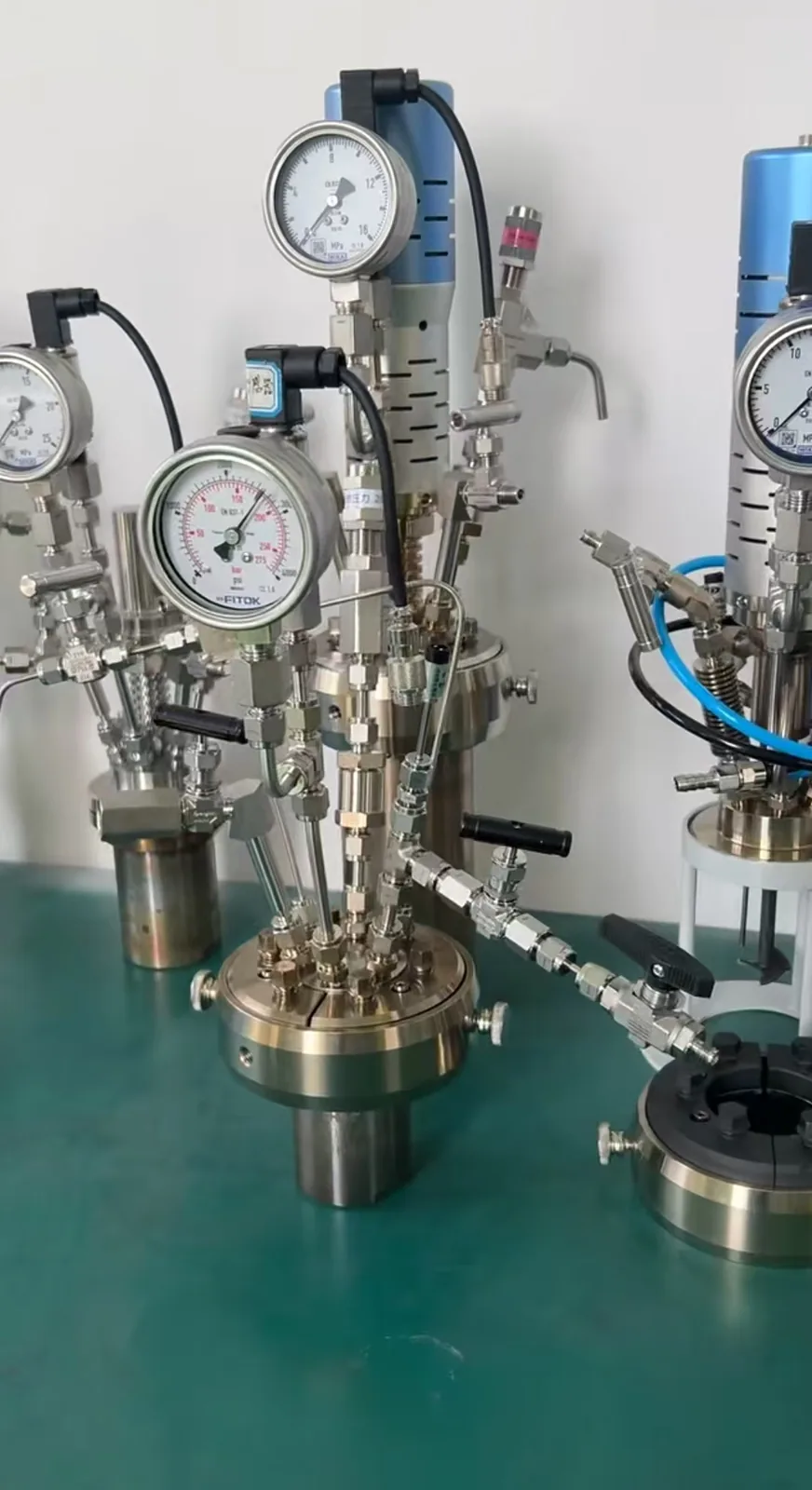
Pressure Measurement
Pressure gauge: analog or digital. Accuracy: must be suitable for test pressure. Range: must cover test pressure. Calibration: must be current.
Leak Detector
Pressure decay instrument: measures and records pressure over time. Helium mass spectrometer: detects helium tracer gas. Ultrasonic detector: detects ultrasonic sound from leaks. Bubble test: visual observation.
Fixtures
Test fixture: holds product, seals openings, provides pressure connection. May include: quick connect fittings, sealing plugs, safety enclosure. Custom designed for specific product.
Safety Considerations
Pneumatic Testing Hazards
Compressed gas stores energy. Sudden release can cause: projectile hazards, equipment damage, personnel injury. Safety measures: pressure relief valves, remote operation, safety enclosure, exclusion zone, gradual pressurization.
Hydrostatic Testing Safety
Water under pressure can cause: flooding, equipment damage. Safety measures: drainage, containment, pressure relief. Lower risk than pneumatic (water is incompressible).
General Safety
Use calibrated equipment. Follow test procedure. Wear PPE. Clear area of non-essential personnel. Have emergency procedures. Train operators on safety.
Test Documentation
Test Report
Document: product identification, test method, test pressure, test duration, test results (pass/fail), leak rate if measured, inspector, date. Maintain for traceability.
Test Procedure
Documented test procedure: step-by-step instructions, safety precautions, equipment setup, acceptance criteria. Ensures consistent testing.
Calibration Records
Maintain calibration for: pressure gauges, leak detectors, test equipment. Verify calibration before testing.
Applications in Sheet Metal
Welded Tanks and Vessels
Test weld integrity: seams, corners, fittings. Hydrostatic or pneumatic pressure test. Verify no leakage at welds.
Sealed Enclosures
Test gasketed joints and seams. Pressure decay or bubble test. Verify IP rating (ingress protection).
Ductwork and Piping
Test joints and seams. Pressure decay or bubble test. Verify no leakage in duct or pipe system.
Heat Exchangers
Test tube-to-tube-sheet joints. Pressure test each side. Verify no cross-leakage between sides.
At Fulei Metal
Our leak and pressure testing capabilities include: pressure decay testing. Bubble testing. Pressure gauge and calibrated equipment. Custom test fixtures. Hydrostatic testing. Test documentation. We provide leak and pressure testing for sealed and pressurized sheet metal products for our global clients, ensuring product integrity and safety.
Matching the Test Method to the Leak Rate That Matters
Leak and pressure testing goes wrong in one specific way: the method is chosen before the acceptance criterion is known, and the two do not match. A large thin enclosure tested by pressure decay cannot answer a specification written in helium leak-rate terms.
Read the table from the acceptance criterion backwards. The method is the consequence of the specification, not a choice made on convenience.
| Method | What it detects | Best suited to | Practical limit |
|---|---|---|---|
| Visual and dye penetrant on welds | Gross defects – cracks, incomplete fusion and pinholes that reach the surface | Welded seams before sealing, and as a first pass on any suspect joint | It finds only what reaches the surface and is large enough to see or stain. It is a screening step, not a leak test |
| Bubble immersion or soap solution | A steady leak that produces bubbles at the wetted area | Small weldments and sealed boxes where the leak path is accessible from outside | The whole suspect area must be reached by the liquid, and a leak that only opens under service conditions may not show at all |
| Pressure decay (pressure hold) | A pressure loss above the resolution of the instrument over the hold time | Sealed enclosures with a fill or vent port, and parts that can be safely pressurised | Depends on temperature stability, part volume and hold time. A large volume or a warm part can hide a small leak inside the noise |
| Vacuum decay / pressure rise | The same loss measured from the other direction | Parts that are easier to evacuate than to pressurise, or where pressurising is a safety concern | Same stability dependence as pressure decay, plus the part has to tolerate the vacuum without deforming |
| Helium mass spectrometry | The smallest leaks, where a leak rate is specified rather than a pressure loss | Electronics housings, medical and instrument enclosures, anything with a defined leak rate | Needs the equipment, and needs the acceptance rate to come from your specification. It cannot be invented on our side, and it should not be |
Two sequencing rules save more money than any equipment choice. Test before surface treatment, because a coating can seal a leak that opens later, and test before assembly, because a sealed unit that fails is a strip-down rather than a repair. How the welded joints are produced is where the leak path is usually decided, and how the test is documented covers what the record has to contain to be worth keeping.
Frequently Asked Questions
What pressure should the test be carried out at?
It comes from the drawing, the standard or your specification – not from us. The test pressure, the hold time and the permissible loss are all part of the acceptance criterion, and a test run at a convenient pressure answers a different question. Where a required test would deform a thin panel, we will flag it before the test rather than after.
Can parts be coated before leak testing?
No, and it is worth stating plainly. Coating, and to a lesser extent plating, can seal a leak path that reopens under thermal cycling or vibration, so the test result would describe the coating rather than the part. Leak and pressure tests belong before surface treatment, and the route has to be planned so the test point comes first.
What are the safety considerations in pressure testing?
A pressurised part stores energy, and a failure releases it as a projectile or a jet. The part is guarded, nobody stands in line with a closure or a sight glass, a calibrated gauge and a relief device are fitted, and the pressure is raised in stages rather than dropped on in one step. This applies at modest pressures too – thin sheet holds much less energy than it looks like it does.
Questions about a specific part are usually faster to answer against the drawing — send it through the route below.
Conclusion
Leak and pressure testing are essential for products that must contain fluids or gases or exclude environmental elements. At Fulei Metal, our testing capabilities ensure that our sealed and pressurized sheet metal products meet the integrity requirements of our international clients across various industries.
Send drawings and we will check them against our quality inspection service capability before quoting. You can also see how this fits into our custom sheet metal fabrication work, or read Hardness and Material Testing for Sheet Metal Products first if you are still comparing options.
Related at Fulei Metal: quality inspection service · sheet metal welding service · third party inspection · export packaging guide