
Custom Sheet Metal Cost Guide
This guide explains how MOQ affects custom sheet metal fabrication cost for buyers sourcing enclosures, control cabinets, brackets, covers, mounting plates and assembled sheet metal parts.
MOQ is often misunderstood. A serious buyer may ask for a small trial order because the project is new, the market is still being tested, or the team needs approval before regular purchasing. A factory, however, must still complete drawing review, laser programming, material preparation, bending setup, welding review, surface finishing, inspection and packing before the first shipment leaves the workshop.
At Fulei Metal, we use MOQ discussions to understand the project stage instead of simply rejecting small quantities. Prototype, pilot run and batch production each have a different cost structure. When buyers share drawings, annual demand, material, finish and assembly requirements clearly, it becomes much easier to recommend a practical starting quantity and a realistic path to lower unit cost.
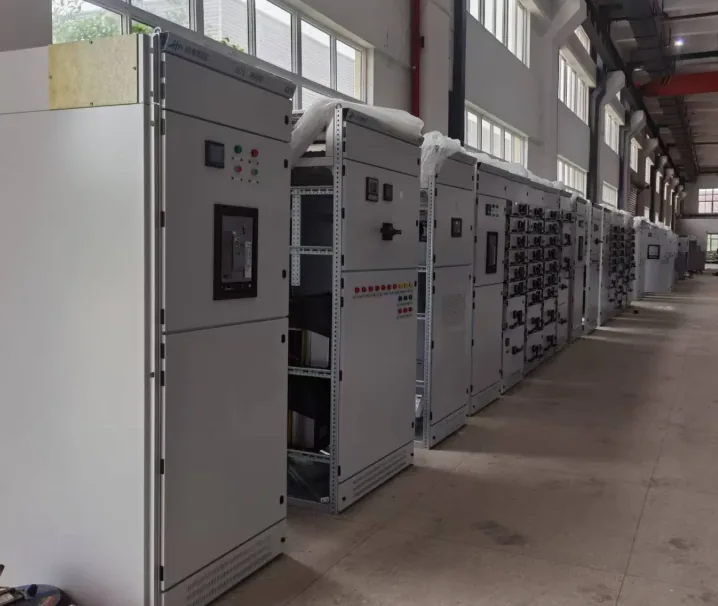
MOQ Is Not Only About Quantity. It Is About Setup Cost.
For standard catalog products, MOQ may simply mean the number of pieces a seller wants to ship. For custom sheet metal fabrication, MOQ has a different meaning. It is the quantity that allows engineering preparation, machine setup, material utilization, coating batch cost, inspection and packaging work to be distributed across the order in a reasonable way.
A custom enclosure or metal cabinet may look like a simple box, but the production route is rarely simple. The factory needs to confirm bend allowance, hole-to-bend distance, welding sequence, surface protection, grounding positions, gasket clearance, hardware fit and packaging method. These are fixed activities. They happen whether the buyer orders a few parts or a production batch.
Where the Cost Comes From Before the First Part Ships
| Cost Item | What the Factory Does | Why MOQ Changes Unit Price |
|---|---|---|
| Engineering review | Check drawings, material, tolerances, bend direction, hole locations, assembly interfaces and risk points. | This work is needed once per project, so a larger batch spreads the cost better. |
| Laser cutting programming | Create cutting files, nest parts on sheet material and review waste, tabs and cutting sequence. | Small orders may use material less efficiently and carry more setup cost per piece. |
| CNC bending setup | Select tooling, confirm bend sequence, make first-piece checks and control angle consistency. | Setup time is similar for a small run and a larger run; the difference is cost sharing. |
| Welding and fixture work | Align frames, weld brackets, control distortion and grind surfaces where appearance matters. | Repeat parts become faster after the welding sequence is proven. |
| Surface treatment | Prepare parts for powder coating, plating, zinc coating or other confirmed finishes. | Color changes, masking and small coating batches can increase per-piece cost. |
| Inspection | Check dimensions, hole positions, fit, surface finish, hardware and packing readiness. | Inspection planning is more efficient when the order has repeatable parts. |
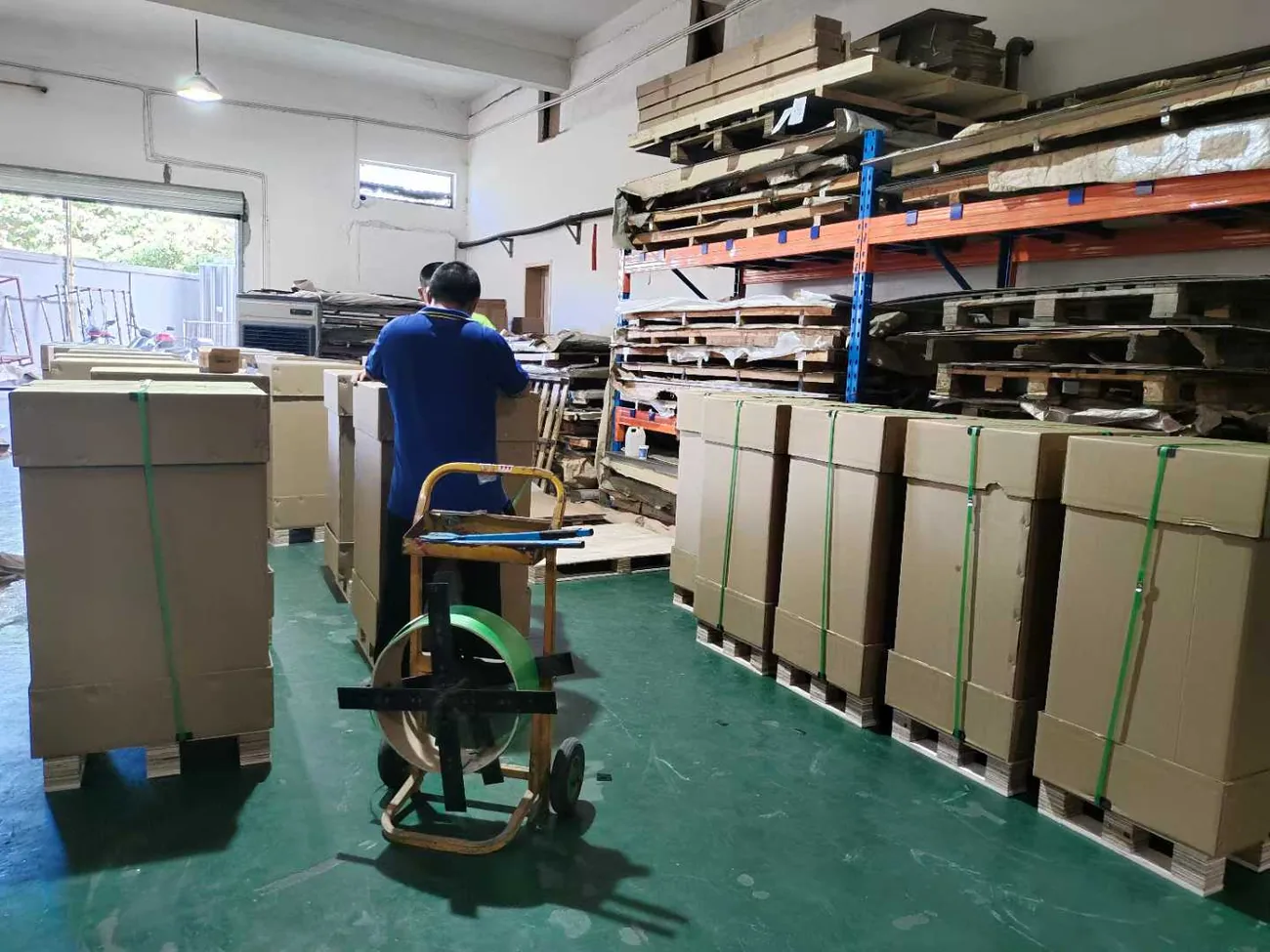
| Export packaging | Protect corners, coated surfaces, doors, panels, accessories and pallet loading direction. | Custom packaging has labor and material cost, especially for large enclosures. |
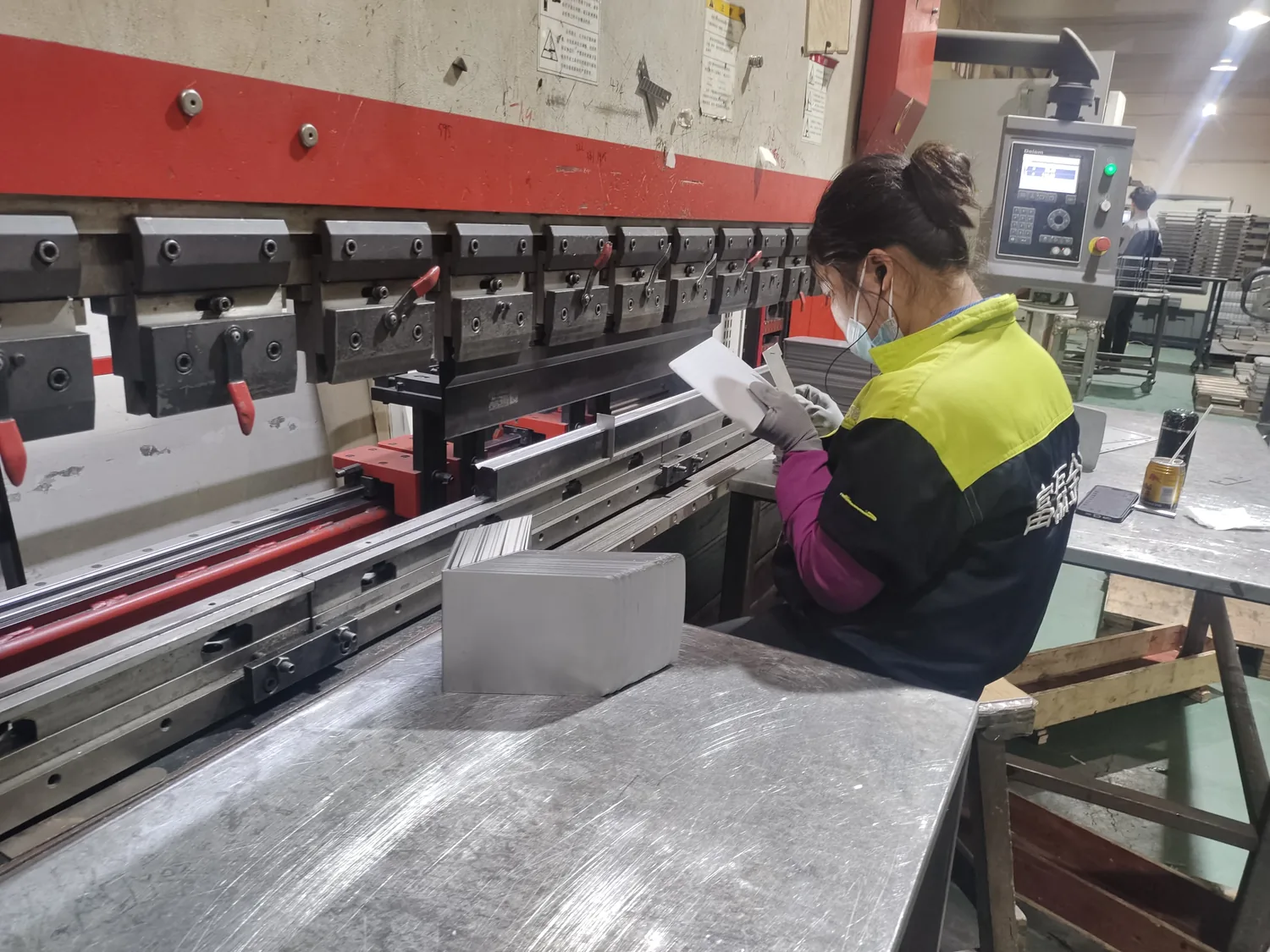
Why Small Quantity Orders Often Have a Higher Unit Price
Small quantity custom sheet metal orders are useful when buyers need samples, engineering validation or market testing. The cost per piece is higher because the one-time preparation work is divided by fewer parts. This does not mean the factory is unwilling to support new projects. It means the quotation must reflect the real production effort.
For example, CNC bending setup may require tool selection, bend order review and first-piece measurement. If the order is only a few pieces, those minutes and checks are carried by very few parts. If the buyer later confirms a repeat batch, the same drawing, program and process knowledge can usually support a more efficient production plan.
Prototype, Pilot Run and Batch Production: Three Different Buying Stages
| Buying Stage | Best Use | Cost Character | What Buyers Should Confirm |
|---|---|---|---|
| Prototype | Check structure, fit, installation space and design risk. | Highest unit cost because engineering and setup are not yet repeated. | Critical dimensions, material, revision control and test purpose. |
| Pilot run | Validate assembly, packaging, finish, inspection points and supplier communication. | Still not the lowest price, but more useful for confirming repeat production. | Expected annual demand, defect criteria, accessory list and packing method. |
| Batch production | Support regular purchasing for OEM equipment, cabinets or metal product programs. | Better unit cost because setup, procurement, coating and inspection are planned together. | Forecast, release schedule, approved sample and stable drawings. |
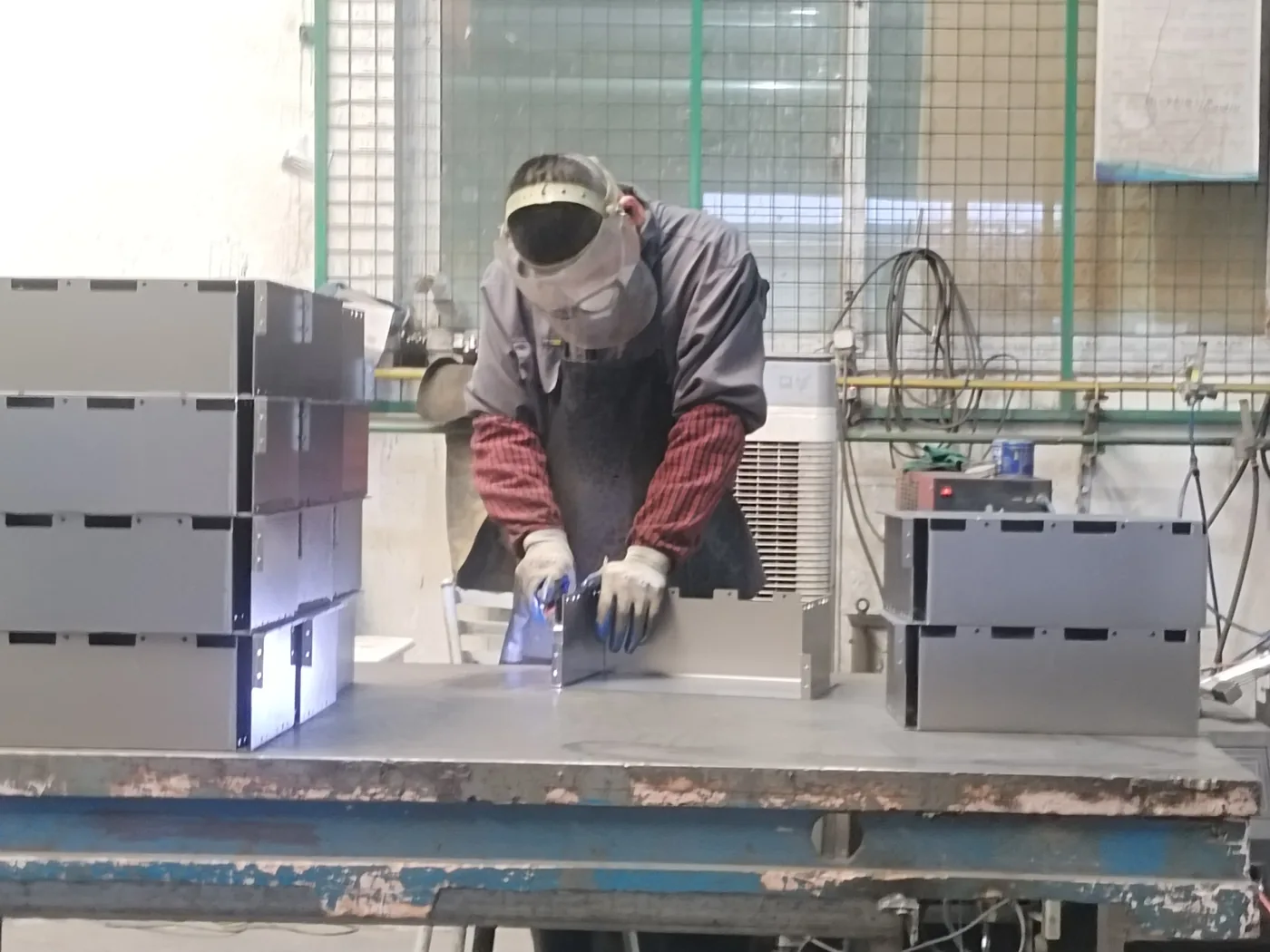
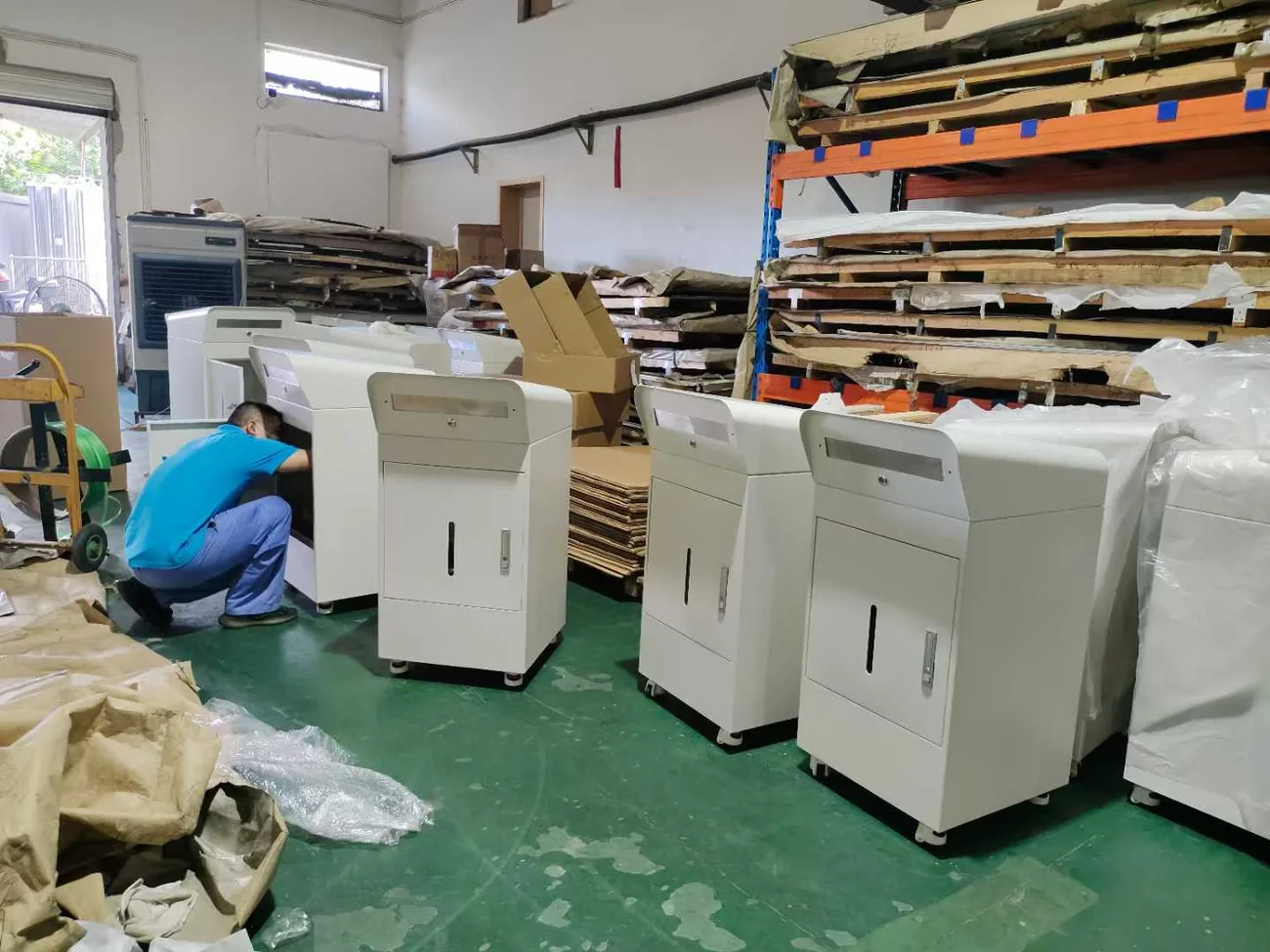
How Buyers Can Reduce Unit Cost Without Sacrificing Quality
The most effective way to reduce custom sheet metal fabrication cost is not always to push for the lowest possible MOQ. A better approach is to remove uncertainty from the quotation and make production repeatable. When the drawing is clear and the production route is stable, the factory can quote with less risk.
Group Similar Parts
Combine parts that use the same material and thickness when possible. This can improve material planning, cutting efficiency and bending setup.
Avoid Unnecessary Tight Tolerances
Mark only critical dimensions as tight. General dimensions can follow normal sheet metal fabrication practice to reduce inspection and rework pressure.
Use Standard Hardware
Standard hinges, locks, fasteners, handles, feet, casters and cable glands are easier to source and replace than special parts.
Confirm Finish Early
Powder coating color, texture, masking zones, corrosion requirement and logo method should be confirmed before production starts.
Plan Assembly Details
Door gap, gasket path, mounting plate, cable entry and accessory count should be reviewed as part of the enclosure system.
Share Forecast Honestly
A realistic annual demand or release plan helps the factory judge whether a small pilot order can lead to stable batch production.
When the Lowest MOQ Is Not the Best Purchasing Decision
For mid-to-high-end buyers, the lowest MOQ is not always the safest option. If a project requires consistent cabinet fit, stable coating appearance, controlled welding distortion, protected packaging or repeatable inspection, the supplier should spend time reviewing the process before production. A quote that ignores this work may look attractive at first but can create delays after samples fail or batches arrive with inconsistent details.
The better question is: what starting quantity gives enough confidence without creating unnecessary inventory? For a new project, that may mean a prototype or pilot run. For a mature project, it may mean grouping releases into efficient batches. The right MOQ should support both engineering validation and commercial reality.
RFQ Checklist for a More Accurate MOQ and Cost Review
To help a sheet metal factory review MOQ and unit cost properly, send the information below with your inquiry. If some details are not final, mark them as preliminary so the factory can quote with clear assumptions.
- 2D drawings in PDF, DWG or DXF format, with critical dimensions marked.
- 3D files such as STEP, IGES or SolidWorks when assemblies, bends or clearances matter.
- Material grade, thickness and any preferred equivalent material options.
- Surface finish requirement, including powder coating color, texture, plating, zinc coating or anodizing.
- Quantity for prototype, pilot run and expected repeat order or annual demand.
- Accessory scope: hinges, locks, handles, gaskets, mounting plates, screws, casters, feet or cable entry parts.
- Inspection requirement: dimensions, appearance, coating, assembly fit, packing photos or reports.
- Packaging and shipping expectation, especially for large cabinets, coated parts or assembled products.
How Fulei Reviews MOQ for Custom Sheet Metal Projects
Fulei Metal reviews MOQ from the actual production route. For a simple flat part, the main factors may be material utilization, laser cutting time and deburring. For a cabinet or enclosure, the review may include bending sequence, welding fixture needs, door alignment, gasket clearance, powder coating batch, assembly labor and export packaging.
We are especially suitable for buyers who have drawings, product plans and repeat demand rather than one-time price shopping. If the first order is for testing, we can discuss the project stage and explain what information is needed to move from sample review to stable batch production.
Related Fabrication Pages
FAQ: MOQ and Sheet Metal Fabrication Cost
Why does a small custom sheet metal order cost more per piece?
Small orders still require drawing review, programming, machine setup, first-piece checks, inspection and packing. Because these fixed tasks are divided by fewer parts, the unit price is usually higher than batch production.
Can Fulei quote prototypes or small trial orders?
We can review prototype and pilot-run projects when the drawings and project purpose are clear. The quotation will usually show the real cost of setup, fabrication, finishing and inspection rather than a mass-production unit price.
How can I get a better unit price for repeat orders?
Share the expected annual demand, release schedule, approved drawings and finish requirements. Stable drawings, grouped production and repeatable inspection points help reduce uncertainty and improve production efficiency.
Does MOQ depend on material and surface finish?
Yes. Material grade, sheet thickness, coating color, plating, masking, corrosion requirement and batch finishing all affect the practical MOQ and cost structure.
What information should I send for an accurate cost review?
Please send 2D drawings, 3D files if available, material, thickness, finish, quantity, annual demand, assembly scope, inspection needs and packaging requirements.
Is the cheapest supplier always better for custom sheet metal parts?
Not always. For custom enclosures, cabinets and assembled parts, engineering review, fit, finish, inspection and packaging can affect the real project cost more than the first unit price.
Can design changes reduce MOQ pressure?
Often yes. Standard hardware, common material thickness, simplified welding, realistic tolerances and grouped parts can reduce setup complexity and make small or medium batches easier to quote.
Send Drawings and Quantity Plan for MOQ Review
If you are sourcing custom sheet metal enclosures, cabinets, brackets, covers or assembled metal parts, send your drawings with the trial quantity and expected repeat demand. We will review the manufacturing route and explain which details affect cost before quotation.
What stands behind this quotation
- Manufacturing since 20162,500 m² Ningbo plant — 3 laser cutting machines (including newer TRUMPF), 4 CNC press brakes and 10 welding stations.
- Shipped to more than 30 export marketsEnclosures, cabinets and formed parts supplied to OEM buyers across Europe, North America and Asia.
- 123 documented product casesMedical device housings, HVAC and heat pump enclosures, agricultural and livestock equipment, industrial hydraulics, material handling trolleys and EV charging cabinets.
- Factory evidence you can checkTUV Rheinland audit reference MIC-ASI243729 and Bureau Veritas reference MIC-ASR263630 available for buyer review under NDA.
Before you send drawings: an NDA is signed on request · first-article inspection is carried out before a batch continues · pricing is staged from prototype quantity to repeat volume · pre-shipment photos and packing records are prepared when the project needs them.